

NEWS
Health updates and
clinic news
HYPERTENSION: CLASSIFICATION AND HOW TO MAINTAIN HEALTHY BLOOD PRESSURE
News
Sep 25, 2026
Blood pressure is the force exerted by circulating blood against the walls of the arteries as the heart pumps. It is one of the most important indicators of cardiovascular health. Maintaining blood pressure within a normal range not only protects the heart but also helps prevent serious health conditions, including stroke, kidney disease, and other cardiovascular disorders.
Blood Pressure Measurements
Blood pressure is measured using two values:
-
Systolic blood pressure: The pressure in the arteries when the heart contracts and pumps blood into circulation. This is the first or higher number in a blood pressure reading.
-
Diastolic blood pressure: The pressure in the arteries when the heart relaxes between beats. This is the second or lower number.
Blood pressure is expressed as a ratio, for example: 120/80 mmHg.
Blood Pressure Classification
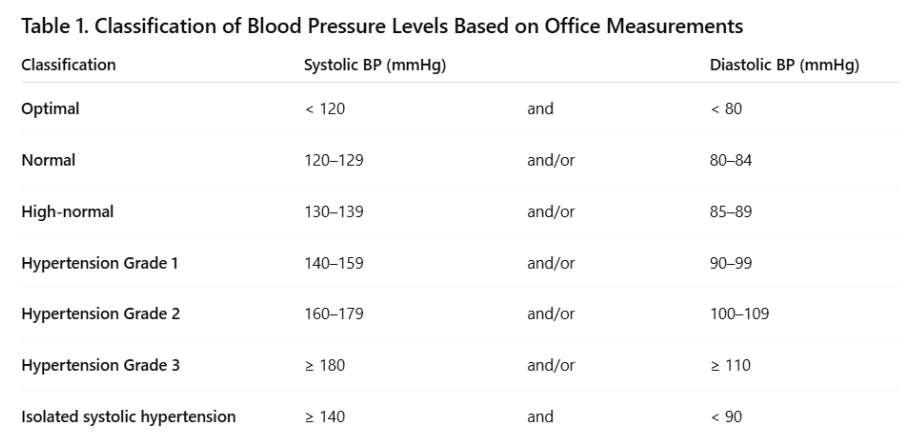
Blood pressure is classified as follows:
Note:
If systolic and diastolic blood pressure values fall into different categories, classification should be based on the higher category.
Isolated systolic hypertension should also be graded (Grade 1, 2, or 3) according to the systolic blood pressure value.
Why Is Normal Blood Pressure Important?
Normal blood pressure ensures efficient blood flow to vital organs, supplying adequate oxygen and nutrients. When blood pressure is consistently too high or too low, the risk of serious health complications increases, including:
-
Cardiovascular disease: High blood pressure increases the workload on the heart, which over time may lead to heart failure or coronary artery disease.
-
Stroke: Elevated blood pressure can damage blood vessels in the brain, increasing the risk of hemorrhagic or ischemic stroke.
-
Kidney disease: Prolonged hypertension can damage renal blood vessels, impairing the kidneys’ ability to filter blood effectively.
-
Eye damage: High blood pressure may injure the small blood vessels in the retina, leading to hypertensive retinopathy and visual impairment.
Factors Affecting Blood Pressure
Blood pressure is influenced by multiple factors, including lifestyle habits, diet, and genetic predisposition:
-
Dietary habits: Excessive salt (sodium) intake increases blood volume and raises blood pressure. Diets high in saturated fats may also elevate cholesterol levels, negatively affecting vascular health.
-
Physical activity: A sedentary lifestyle contributes to weight gain and reduces overall cardiovascular fitness.
-
Chronic stress: Prolonged stress can trigger hormonal responses, including increased cortisol release, which may elevate blood pressure.
-
Alcohol consumption and smoking: Alcohol and tobacco damage blood vessels and significantly increase the risk of chronic hypertension.
-
Genetic factors: A family history of hypertension increases an individual’s risk of developing high blood pressure.
Signs and Symptoms of Abnormal Blood Pressure
Hypertension is often referred to as a “silent killer” because it may not cause noticeable symptoms in its early stages. However, when blood pressure remains elevated over time, symptoms may include:
-
Severe headaches.
-
Dizziness or loss of balance.
-
Chest pain or shortness of breath.
-
Blurred vision or temporary vision loss.
If these symptoms occur especially in the presence of very high blood pressure immediate medical attention is required.
How to Maintain Healthy Blood Pressure
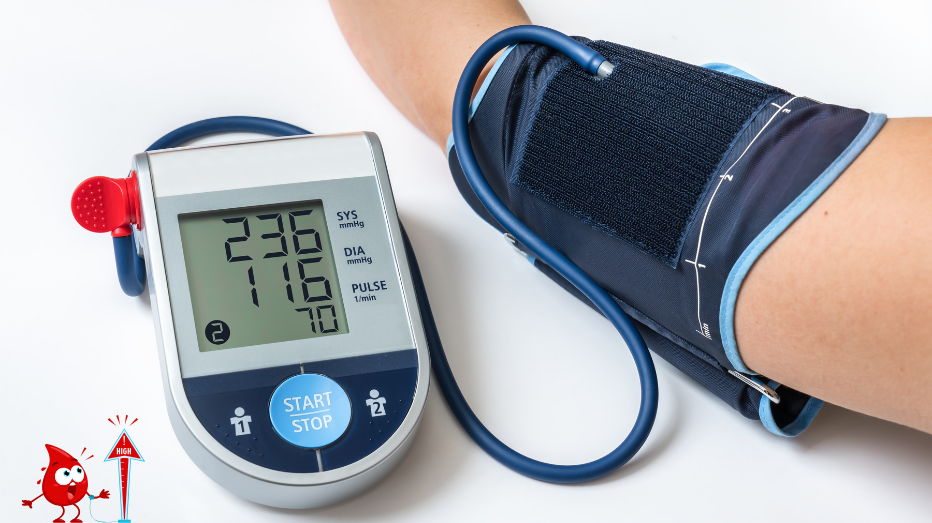
Maintaining optimal blood pressure requires long-term lifestyle adjustments, including:
Healthy Nutrition
-
Increase intake of vegetables, fruits, and potassium-rich foods such as bananas, sweet potatoes, and avocados.
-
Limit salt intake to less than 5 grams per day, in accordance with World Health Organization (WHO) recommendations.
-
Avoid processed foods and fast food.
Regular Physical Activity
-
Engage in at least 150 minutes of moderate physical activity per week, such as brisk walking, cycling, or yoga.
-
Incorporate endurance and cardiovascular exercises to support heart health.
Stress Management
-
Practice relaxation techniques such as meditation, yoga, or deep breathing.
-
Minimize unnecessary stressors when possible.
Limit Alcohol and Avoid Smoking
-
Keep alcohol consumption within recommended limits (up to one drink per day for women and two for men).
-
Quit smoking to improve vascular and overall cardiovascular health.
Regular Blood Pressure Monitoring
- Monitor blood pressure at home, especially if you are at increased risk of hypertension.
When Should You See a Doctor?
You should consult a healthcare professional if your blood pressure readings remain above normal on repeated measurements, or if you experience symptoms such as severe headache, chest discomfort, or shortness of breath. In some cases, medication may be required to achieve adequate blood pressure control.
Conclusion
Maintaining normal blood pressure is one of the most important steps in protecting cardiovascular health. Through healthy lifestyle choices, balanced nutrition, effective stress management, and regular annual health check-ups at DYM, hypertension can be detected early and managed effectively reducing the risk of serious complications. Regular monitoring and listening to your body are essential for a healthier and more fulfilling life.
For consultation and follow-up of hypertension at DYM Medical Center Vietnam, please contact:
- DYM Medical Center Saigon: Room B101-B103, Basement 1, mPlaza Saigon Building, No. 39 Le Duan, Sai Gon Ward, Ho Chi Minh City
- DYM Medical Center Phu My Hung: Room 3A01, 3A Floor, The Grace Building, 71 Hoang Van Thai Street, Tan My Ward, Ho Chi Minh City
- DYM Medical Center Hanoi: B1 Basement, Epic Tower, Alley 19 Duy Tan, Cau Giay Ward, Ha Noi
- Hotline: 1900 29 29 37
Register now to receive the latest offers
Book an appointmentMedical specialties
- Corporate health check-up
- Dental Checkup Package
- Pediatric Examination Package
- Work Permit Examination Package - Work Permit Supplement
- Pre-wedding health check-up
- Obstetrics and Gynecology Package
- Cancer Screening Package
- Health check-up for individuals
- Japan pre-entry Tuberculosis Screening(Jpets)
- Food Handler package
- Medical examination for labor export to Japan
- Medical examination for specific skills to work in Japan (Tokutei)

Contact us
Reach out to DYM for quick support through
our official channels.