


NEWS
Health updates and
clinic news
GALLBLADDER POLYPS: CAUSES, SYMPTOMS, DIAGNOSIS, AND TREATMENT
News
Oct 12, 2026
Overview
Gallbladder polyps are growths or tissues that protrude from the lining of the gallbladder wall into the interior. They are primarily detected through abdominal ultrasound. While most gallbladder polyps are benign and asymptomatic, some cases carry a risk of progressing into gallbladder cancer.
The prevalence of gallbladder polyps ranges from 4% to 7% of the population during ultrasound screenings. Most polyps are small (<10 mm) and do not require surgery, but they do necessitate periodic monitoring.
Causes and mechanisms
Gallbladder polyps can form through several mechanisms:
- Cholesterol polyps (60–70%): Result from cholesterol deposits in the gallbladder lining.
- Inflammatory polyps: Commonly found after chronic cholecystitis.
- Adenomatous polyps (adenomas): Have malignant potential, especially when the size exceeds 10 mm.
-
Polypoid gallbladder cancer: Rare but dangerous.
Risk factors:
- Age >50.
- Polyp size >10 mm.
- Sessile (broad-based) solitary polyps.
- Concurrent gallbladder stones.
- Family history of biliary tract cancer.
Symptoms
Most patients are asymptomatic, and polyps are discovered incidentally during an ultrasound. Some cases may involve:
- Discomfort or pain in the upper right abdomen, especially after high-fat meals.
- Nausea, bloating, and indigestion.
- Jaundice (rare; occurs if there is biliary obstruction).
👉 Because symptoms are vague, they can be difficult to distinguish from gallstones or digestive disorders.
Complications
- Cholecystitis: Large polyps can obstruct bile flow.
- Concurrent gallstones: Increase the risk of inflammation and cancer.
- Gallbladder cancer: High risk when polyps are >10 mm, solitary, sessile, or present in older patients.
Research on malignancy risk:
- Polyp <10mm: <1%.
- Polyp 10–20 mm: approximately 10–20%.
- Polyp >20 mm: 50–70% risk.
Diagnostic criteria
- The most common method with a sensitivity of approximately 90%.
- Polyps appear as protrusions in the gallbladder lumen without an acoustic shadow (distinguishing them from gallstones).
- Evaluates size, quantity, and whether they are pedunculated or sessile.
2. Endoscopic ultrasound (EUS)
- Provides higher resolution to help differentiate between benign and malignant polyps.
3. CT Scan or MRCP (MRI of the biliary tract)
- Indicated when malignancy is suspected or for large polyps.
👉 The diagnostic criteria for gallbladder polyps primarily rely on ultrasound imaging.
When is a cholecystectomy (surgery) required?
According to international guidelines (EASL, ACG):
- Polyp ≥ 10 mm.
- Solitary sessile polyps.
- Polyps accompanied by gallstones.
- Patients >50 years old.
- Symptoms suggestive of cholecystitis.
- Rapid polyp growth during monitoring.
👉 For other cases (<10 mm, asymptomatic, no risk factors), periodic ultrasound monitoring is sufficient.
Treatment
1. Monitoring
- Polyp <6 mm: Ultrasound every 12–24 months.
- Polyp 6–9 mm: Ultrasound every 6–12 months.
- If no growth is observed after 2–3 years of monitoring, follow-ups may be discontinued.
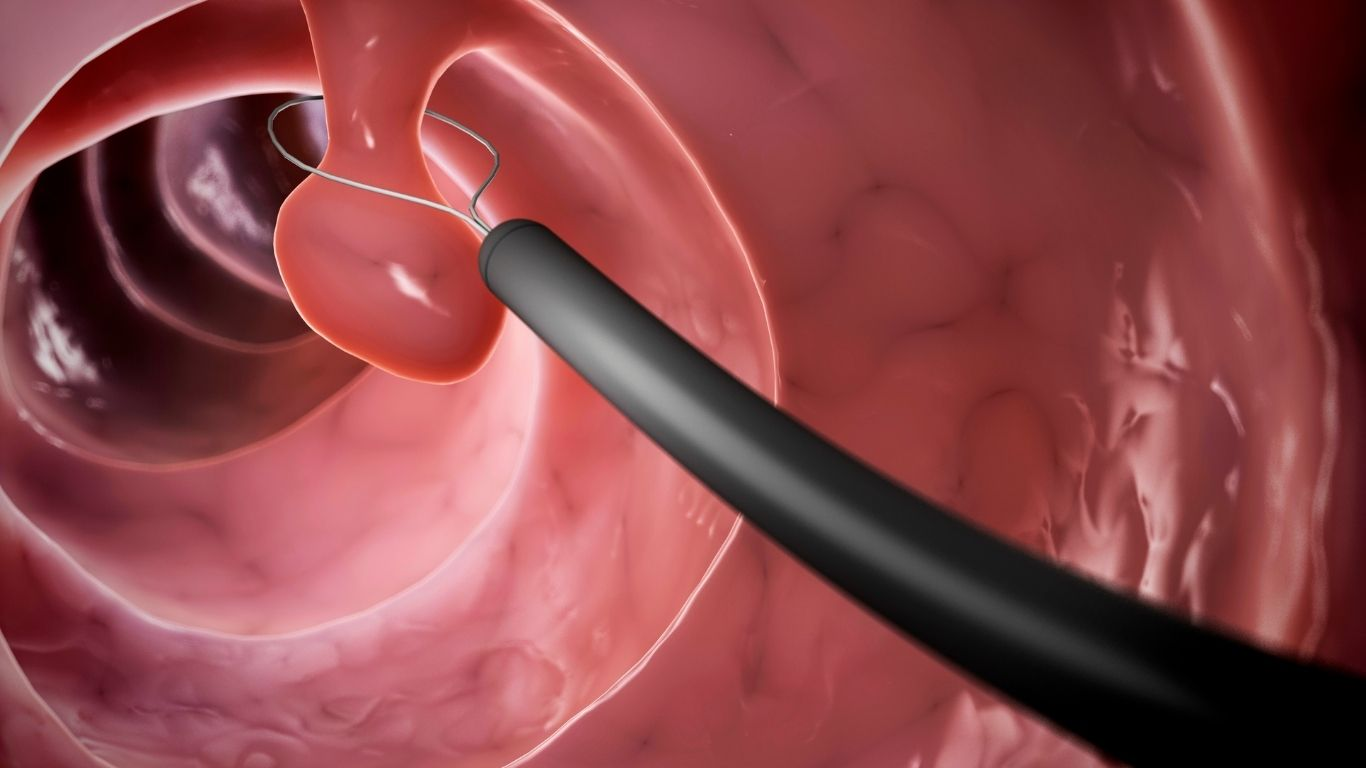
2. Cholecystectomy (gallbladder removal)
- Indicated for those with risk factors or polyps ≥10 mm.
- Usually performed via laparoscopic surgery, which is safe with few complications.
Prevention
- Maintain a healthy weight and avoid obesity.
- Limit animal fats; increase green vegetables and fiber intake.
- Regular health check-ups, especially for those with a history of biliary diseases.
- Thoroughly treat gallstones if present.
When to consult a doctor?
- Recurrent pain in the upper right abdomen.
- Persistent, unexplained nausea or indigestion.
- Ultrasound detects a polyp ≥6 mm.
- Presence of polyps alongside gallstones or cancer risk factors.
Conclusion
Most gallbladder polyps are benign, but some risk factors can lead to gallbladder cancer. Therefore, early detection via ultrasound and regular monitoring are vital.
👉 If a polyp is ≥10 mm or carries risk factors, a doctor will recommend a cholecystectomy to prevent complications.
Frequently asked questions (FAQ)
1. Can gallbladder polyps disappear on their own?
Some small cholesterol polyps (<5 mm) may regress or disappear. However, most polyps persist and require monitoring.
2. Do gallbladder polyps cause cancer?
Yes, but the rate is low. The risk is high if the polyp is >10 mm, solitary, sessile, accompanied by gallstones, or if the patient is >50.
3. Does gallbladder removal affect digestion?
Not significantly. After surgery, bile flows directly from the liver to the small intestine. Patients may experience slight indigestion with fatty foods for the first few weeks but usually adapt well.
4. Is there medication to dissolve gallbladder polyps?
Currently, there is no specific medication. Treatment is primarily monitoring or surgery when indicated.
5. How often should I have a follow-up for a small polyp?
- <6 mm: Every 12–24 months.
- 6–9 mm: Every 6–12 months.
- ≥10 mm or symptomatic: Surgery is recommended.
To schedule gallbladder polyp screening and monitoring at DYM Medical Center Vietnam, please contact:
-
DYM Medical Center Saigon: Room B101-B103, Basement 1, mPlaza Saigon Building, No. 39 Le Duan, Sai Gon Ward, Ho Chi Minh City
-
DYM Medical Center Phu My Hung: Room 3A01, 3A Floor, The Grace Building, 71 Hoang Van Thai Street, Tan My Ward, Ho Chi Minh City
-
DYM Medical Center Hanoi: B1 Basement, Epic Tower, Alley 19 Duy Tan, Cau Giay Ward, Ha Noi
-
Hotline: 1900 29 29 37
Register now to receive the latest offers
Book an appointmentMedical specialties
- Corporate health check-up
- Dental Checkup Package
- Pediatric Examination Package
- Work Permit Examination Package - Work Permit Supplement
- Pre-wedding health check-up
- Obstetrics and Gynecology Package
- Cancer Screening Package
- Health check-up for individuals
- Japan pre-entry Tuberculosis Screening(Jpets)
- Food Handler package
- Medical examination for labor export to Japan
- Medical examination for specific skills to work in Japan (Tokutei)



Contact us
Reach out to DYM for quick support through
our official channels.