


NEWS
Health updates and
clinic news
WHAT IS BODY MASS INDEX (BMI)
News
Oct 02, 2026
Body Mass Index (BMI) has become a widely used tool in both medicine and everyday life to assess a person’s weight status. However, does this index truly reflect an individual’s overall health? This article takes a closer look at the advantages and limitations of BMI, as well as more modern alternative assessment methods.
What Is BMI and Why Is It Widely Used?
BMI was developed in the 19th century by Belgian mathematician Adolphe Quetelet. Originally, it was not intended to evaluate individual health but rather to support statistical studies of populations. However, due to its simplicity, ease of calculation, and ability to provide a general overview of weight status, BMI has become a standard tool in modern medicine.
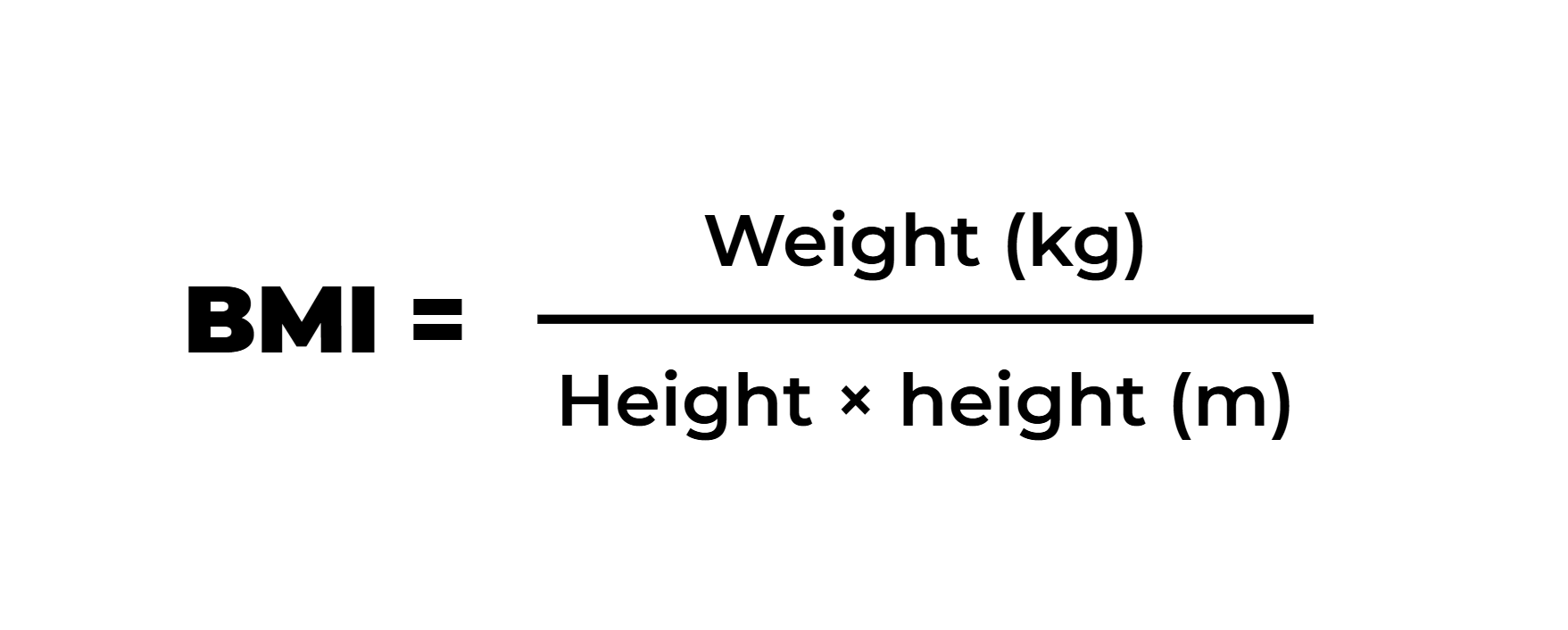 The World Health Organization (WHO) classifies BMI as follows:
- Below 18.5: Underweight
- 18.5 – 24.9: Normal weight
- 25 – 29.9: Overweight
- 30 or above: Obesity
BMI is widely used because it is easy to apply in large-scale studies and allows for quick assessment of health risks related to body weight, such as cardiovascular disease, diabetes, and hypertension. However, its popularity does not mean it is a perfect indicator.
Limitations of BMI
1. Does Not Differentiate Between Muscle and Fat
BMI is based solely on total body weight and does not account for body composition. For example:
-
Athletes with high muscle mass may have a high BMI and even be classified as “obese,” despite having a very low body fat percentage.
-
Conversely, individuals with a “normal” BMI may have high levels of visceral fat, putting them at increased risk of obesity-related diseases.
2. Does Not Reflect Fat Distribution
The location of fat accumulation plays a more important role than BMI in predicting health risks. Abdominal fat, particularly visceral fat, is closely linked to conditions such as diabetes, cardiovascular disease, and metabolic syndrome. BMI does not provide information about fat distribution.
3. Does Not Account for Individual Factors
BMI does not consider factors such as age, sex, genetics, or ethnicity, all of which influence body fat percentage and overall health. For example:
-
Women naturally have a higher body fat percentage than men, which does not necessarily indicate poorer health.
-
Older adults tend to lose muscle mass and gain fat, but BMI does not reflect these changes.
4. Does Not Assess Physical Fitness
Numerous studies have shown that physical fitness is a stronger predictor of health outcomes than BMI. Individuals with higher fitness levels may have a lower risk of disease and mortality even if they have a higher BMI, compared to unfit individuals with a normal BMI.
Alternatives to BMI
 Given these limitations, healthcare professionals are increasingly adopting alternative methods to assess health more accurately. Some promising options include:
1. Waist-to-Hip Ratio (WHR)
WHR measures the ratio between waist circumference and hip circumference to assess health risks associated with visceral fat. A high WHR (indicating abdominal fat accumulation) is strongly linked to cardiovascular disease, diabetes, and other chronic conditions.
Ideal WHR values:
-
Men: Below 0.9
-
Women: Below 0.85
2. Body Fat Percentage (BFP)
BFP measures the proportion of body fat relative to total body weight. This is a more direct indicator of health risk, as excess body fat is a key contributor to many chronic diseases.
Methods to measure BFP include:
- Skinfold thickness measurements
- Bioelectrical impedance analysis (BIA)
- DEXA scans (dual-energy X-ray absorptiometry)
3. Body Roundness Index (BRI)
BRI is a newer metric that uses height and waist circumference to estimate body fat distribution. Research suggests that BRI may be more closely associated with health risks than BMI.
4. Visceral Fat Measurement
Modern imaging technologies such as MRI or CT scans can accurately measure visceral fat, providing a more precise assessment of disease risk.
The Role of Lifestyle and Physical Fitness
In addition to using alternative indices, a comprehensive health assessment should incorporate other key factors, including:
-
Diet: A fiber-rich diet low in sugar and saturated fats helps maintain a healthy weight and reduce disease risk.
-
Physical activity: Regular exercise, including both aerobic activity and strength training, improves cardiovascular health, reduces visceral fat, and builds muscle mass.
-
Sleep: Adequate sleep supports hormonal balance and healthy metabolism.
-
Stress management: Chronic stress can contribute to increased visceral fat and metabolic disturbances.
Summary
BMI is a useful tool for broadly assessing weight status and health risk at the population level. However, when applied to individuals, it has significant limitations and does not fully reflect overall health. Combining BMI with other indicators such as waist-to-hip ratio, body fat percentage, and physical fitness provides a more accurate and comprehensive assessment.
Rather than focusing solely on BMI, greater emphasis should be placed on maintaining a healthy lifestyle, staying physically active, and undergoing regular annual health check-ups at DYM Medical Center to ensure optimal health. Health is not just a number on a scale, it is a balance between the body, mind, and living environment.
-
DYM Medical Center Saigon: Room B101-B103, Basement 1, mPlaza Saigon Building, No. 39 Le Duan, Sai Gon Ward, Ho Chi Minh City
-
DYM Medical Center Phu My Hung: Room 3A01, 3A Floor, The Grace Building, 71 Hoang Van Thai Street, Tan My Ward, Ho Chi Minh City
-
DYM Medical Center Hanoi: B1 Basement, Epic Tower, Alley 19 Duy Tan, Cau Giay Ward, Ha Noi
-
Hotline: 1900 29 29 37
Register now to receive the latest offers
Book an appointmentMedical specialties
- Corporate health check-up
- Dental Checkup Package
- Pediatric Examination Package
- Work Permit Examination Package - Work Permit Supplement
- Pre-wedding health check-up
- Obstetrics and Gynecology Package
- Cancer Screening Package
- Health check-up for individuals
- Japan pre-entry Tuberculosis Screening(Jpets)
- Food Handler package
- Medical examination for labor export to Japan
- Medical examination for specific skills to work in Japan (Tokutei)












Contact us
Reach out to DYM for quick support through
our official channels.