


NEWS
Health updates and
clinic news
WHAT IS BLOOD CHOLESTEROL? HOW TO PREVENT HIGH CHOLESTEROL?
News
Oct 02, 2026
Blood cholesterol is an essential fatty substance in the body. However, when cholesterol levels become imbalanced or too high, they can lead to serious health problems such as cardiovascular disease and stroke. This article explains the different types of cholesterol, what causes high levels, and how to stay healthy to protect your body.
The role of cholesterol in the body
Cholesterol is a type of lipid produced mainly by the liver, with a smaller amount absorbed from foods such as meat, eggs, and dairy products. It plays several vital roles:
- Building cell membranes: Cholesterol is an essential component of cell membranes, helping to maintain their structure and function.
- Producing Hormones: It is involved in creating hormones such as estrogen, testosterone, and cortisol.
- Synthesizing Vitamin D: Under sunlight, cholesterol in the skin is converted into Vitamin D.
- Producing Bile: The liver uses cholesterol to create bile, which helps digest fats from food.
However, not all cholesterol is the same. It is transported in the blood by particles called lipoproteins, divided into two main types:
- Low-Density Lipoprotein (LDL): Often called "bad cholesterol." LDL carries cholesterol from the liver to the cells. If there is too much LDL in the blood, it can build up in artery walls, forming plaques and blocking blood flow.
- High-Density Lipoprotein (HDL): This is "good cholesterol." HDL helps remove excess cholesterol from the blood and carries it back to the liver to be processed and eliminated from the body.
Causes of High Cholesterol
Cholesterol levels are influenced by many factors, ranging from lifestyle habits to genetics. Common causes include:
1. Unhealthy Diet
- Saturated Fats: Red meat, butter, cheese, and full-fat dairy products are high in saturated fats, which increase LDL.
- Trans Fats: Often found in processed foods like pastries, fried foods, and margarine. Trans fats not only increase LDL but also decrease HDL.
- Lack of Fiber: A diet lacking fiber from vegetables, fruits, whole grains, and beans can increase the risk of high cholesterol.
2. Inactive Lifestyle: Physical activity helps increase HDL and decrease LDL. People who are inactive often face a higher risk of being overweight and having high cholesterol.
3. Overweight and Obesity: Being overweight increases LDL, lowers HDL, and causes metabolic disorders related to cholesterol.
4. Smoking: Smoking lowers HDL cholesterol and damages blood vessel walls, making it easier for cholesterol plaques to form.
5. Genetics: Some people have "familial hypercholesterolemia," a condition where the body produces too much cholesterol or cannot clear it effectively.
6. Age and Sex: In women, cholesterol levels often rise after menopause due to a decrease in estrogen. Older adults also tend to accumulate more cholesterol as metabolism slows down.
Health Effects of High Cholesterol
Persistently high LDL cholesterol can lead to serious health complications, including:
Cholesterol plaques narrow blood vessels and reduce blood flow to the heart, potentially causing chest pain (angina) or heart attacks.
2. Stroke
If plaque buildup occurs in arteries supplying the brain, it may block blood flow or rupture, leading to stroke.
3. Atherosclerosis
Cholesterol buildup causes arteries to harden and lose elasticity, forcing the heart to work harder to pump blood.
4. Peripheral Artery Disease
High cholesterol can affect peripheral blood vessels, leading to leg pain or cramps during physical activity.
How to Control and Improve Cholesterol Levels
1. Adjust Your Diet
- Increase fiber intake: Foods such as oats, barley, fruits, vegetables, and legumes help reduce cholesterol absorption.
- Choose healthy fats: Replace saturated fats with unsaturated fats found in olive oil, canola oil, fatty fish, and avocados.
- Limit processed foods: Reduce consumption of sweets, fast food, and fried items.
- Include sterols and stanols: Found in certain fortified cereals, orange juice, and yogurt, these compounds help lower LDL cholesterol.
2. Stay Physically Active
Aim for at least 30 minutes of exercise per day, five days a week. Activities such as brisk walking, jogging, swimming, and cycling can improve HDL levels and heart health.
3. Manage Body Weight
Losing even a small amount of weight can help lower LDL and raise HDL cholesterol.
4. Quit Smoking
Stopping smoking improves HDL levels and reduces the risk of atherosclerosis and heart disease.
5. Limit Alcohol Consumption
Excessive alcohol intake can increase triglycerides, another type of blood lipid associated with heart disease.
6. Medication When Necessary
If lifestyle changes are not sufficient, doctors may prescribe medications such as statins, fibrates, or cholesterol absorption inhibitors. Medication use should always be monitored to ensure effectiveness and minimize side effects.
Tests Used to Check Cholesterol Levels
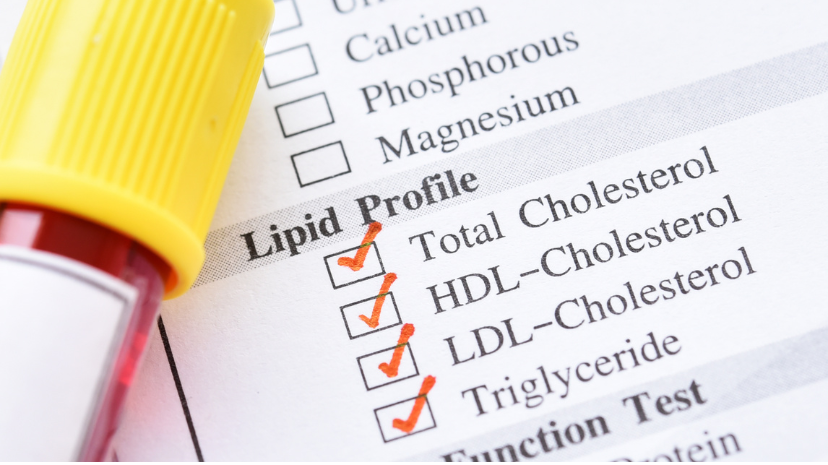
To assess cholesterol, doctors usually order a lipid profile test, which includes:
- Total cholesterol: The combined level of LDL, HDL, and triglycerides.
- LDL cholesterol: “Bad” cholesterol.
- HDL cholesterol: “Good” cholesterol.
- Triglycerides: Another type of blood fat, often elevated when calorie intake exceeds the body’s needs.
Conclusion
Cholesterol plays an essential role in the body, but elevated cholesterol especially high LDL levels can lead to serious health risks. Maintaining a healthy lifestyle through balanced nutrition, regular physical activity, and routine health check-ups is the key to protecting your cardiovascular health. If necessary, consult a doctor for proper advice and treatment.
To schedule cholesterol tests and health check-ups at DYM Medical Center Vietnam, please contact:
-
DYM Medical Center Saigon: Room B101-B103, Basement 1, mPlaza Saigon Building, No. 39 Le Duan, Sai Gon Ward, Ho Chi Minh City
-
DYM Medical Center Phu My Hung: Room 3A01, 3A Floor, The Grace Building, 71 Hoang Van Thai Street, Tan My Ward, Ho Chi Minh City
-
DYM Medical Center Hanoi: B1 Basement, Epic Tower, Alley 19 Duy Tan, Cau Giay Ward, Ha Noi
-
Hotline: 1900 29 29 37
Register now to receive the latest offers
Book an appointmentMedical specialties
- Corporate health check-up
- Dental Checkup Package
- Pediatric Examination Package
- Work Permit Examination Package - Work Permit Supplement
- Pre-wedding health check-up
- Obstetrics and Gynecology Package
- Cancer Screening Package
- Health check-up for individuals
- Japan pre-entry Tuberculosis Screening(Jpets)
- Food Handler package
- Medical examination for labor export to Japan
- Medical examination for specific skills to work in Japan (Tokutei)

Contact us
Reach out to DYM for quick support through
our official channels.