


NEWS
Health updates and
clinic news
GALLSTONE DISEASE: CAUSES, SYMPTOMS, DIAGNOSIS, AND TREATMENT
News
Oct 12, 2026
Overview
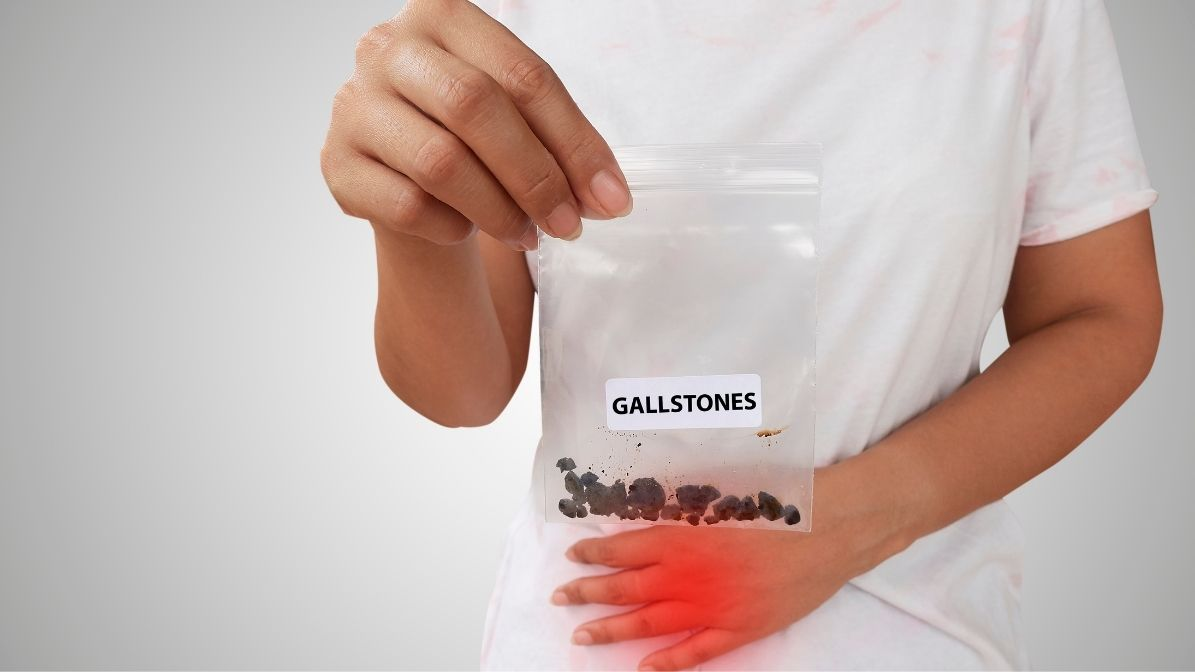
Gallstones (cholelithiasis) are solid crystals formed in the gallbladder or bile ducts, primarily due to an imbalance in bile components (cholesterol, bile salts, and bilirubin). This is a common digestive disorder, affecting approximately 10–15% of the adult population, though only about 20% experience symptoms.
Gallstones can remain "silent" for years. However, when complications arise, they can cause intense pain and dangerous conditions such as cholecystitis or acute pancreatitis.
Causes and risk factors
Mechanism of formation: Bile is a solution composed of water, cholesterol, bile salts, and bilirubin. When this balance is disrupted, cholesterol or bilirubin precipitates to form stones.
Types of gallstones:
- Cholesterol stones (80%): Most common in Western countries.
- Pigment stones (20%): Associated with chronic hemolysis or biliary tract infections.
- Mixed stones: A combination of various components.
Risk factors:
The classic "4F" mnemonic describes the high-risk group:
Female, Forty, Fat, and Fertile (women, over 40, obese, and having had multiple pregnancies).
Other factors include:
- Sedentary lifestyle and high-fat, low-fiber diets.
- Chronic hemolytic diseases (Thalassemia, Sickle cell anemia).
- Family history of gallstones.
- Chronic liver disease or cirrhosis.
Symptoms
Most gallstones are asymptomatic and discovered incidentally. Symptomatic cases typically present with:
- Biliary colic: Intense pain in the upper right abdomen or epigastrium, often after fatty meals, potentially radiating to the back or right shoulder.
- Nausea and vomiting.
- Bloating, gas, and indigestion.
Signs of complications:
- Fever and chills (cholecystitis or cholangitis).
- Jaundice (yellowing of the skin/eyes due to bile duct obstruction).
- Severe pain with persistent vomiting (possible acute pancreatitis).
Complications
- Acute cholecystitis: Inflammation caused by a stone blocking the gallbladder neck.
- Cholangitis: Indicated by Charcot's triad (abdominal pain, fever, jaundice).
- Gallstone pancreatitis: Occurs when a stone obstructs the pancreatic duct.
- Gallbladder cancer: Increased risk in individuals with long-standing gallstones.
Diagnostic criteria
1. Clinical symptoms: Typical biliary colic and signs of complications.
2. Diagnostic tests:
- Abdominal ultrasound: The primary method (90–95% sensitivity). Stones appear as hyperechoic structures with posterior acoustic shadowing.
- Blood tests: Checking for elevated white blood cells, bilirubin, ALP, GGT, or amylase/lipase.
- MRCP: Highly accurate (>95% sensitivity) for common bile duct stones.
- ERCP: Used for both diagnosis and removal of bile duct stones.
👉 Gold standard: Abdominal ultrasound for gallbladder stones; MRCP or ERCP for bile duct stones.
Treatment
1. Asymptomatic stones: Usually require only periodic monitoring via ultrasound.
2. Symptomatic or complicated stones:
- Medical management: Pain relief (NSAIDs) and antibiotics if infected.
- Dissolution therapy: Ursodeoxycholic acid is only effective for small cholesterol stones (<1 cm), with a low success rate and high recurrence.
- Surgical intervention: Laparoscopic cholecystectomy (gallbladder removal) is the standard treatment.
- ERCP: To remove stones located in the common bile duct.
Prevention
- Drink 2–2.5 liters of water daily.
- Maintain a diet high in fiber and low in saturated fats and refined sugars.
-
Regular exercise and weight management.

When to seek immediate medical attention?
- Severe, persistent pain in the upper right abdomen.
- Prolonged nausea and vomiting.
- Fever accompanied by chills.
- Visible jaundice (yellowing of eyes/skin).
Frequently asked questions (FAQ)
1. Can gallstones go away on their own?
No. They rarely disappear, except for very small cholesterol stones that may occasionally dissolve with medication.
2. Is surgery necessary if there are no symptoms?
No. Silent stones are typically monitored. Surgery is indicated once symptoms or complications occur.
3. Can I digest food normally after gallbladder removal?
Yes. Bile will flow directly from the liver to the small intestine. You may experience slight indigestion with fatty foods initially, but the body usually adapts.
4. How do gallstones differ from gallbladder polyps?
- Gallstones: Solid structures that cast an acoustic shadow on ultrasound.
- Polyps: Tissue growths protruding from the wall that do not cast a shadow.
To schedule gallstone screening and treatment at DYM Medical Center Vietnam, please contact:
-
DYM Medical Center Saigon: Room B101-B103, Basement 1, mPlaza Saigon Building, No. 39 Le Duan, Sai Gon Ward, Ho Chi Minh City
-
DYM Medical Center Phu My Hung: Room 3A01, 3A Floor, The Grace Building, 71 Hoang Van Thai Street, Tan My Ward, Ho Chi Minh City
-
DYM Medical Center Hanoi: B1 Basement, Epic Tower, Alley 19 Duy Tan, Cau Giay Ward, Ha Noi
-
Hotline: 1900 29 29 37
Register now to receive the latest offers
Book an appointmentMedical specialties
- Corporate health check-up
- Dental Checkup Package
- Pediatric Examination Package
- Work Permit Examination Package - Work Permit Supplement
- Pre-wedding health check-up
- Obstetrics and Gynecology Package
- Cancer Screening Package
- Health check-up for individuals
- Japan pre-entry Tuberculosis Screening(Jpets)
- Food Handler package
- Medical examination for labor export to Japan
- Medical examination for specific skills to work in Japan (Tokutei)
Contact us
Reach out to DYM for quick support through
our official channels.