


NEWS
Health updates and
clinic news
TYPE 1 DIABETES: CAUSES, DIAGNOSIS, AND TREATMENT
News
Sep 25, 2026
Type 1 diabetes, also known as insulin-dependent diabetes mellitus, is a chronic condition in which the body is unable to produce insulin—a vital hormone responsible for regulating blood glucose levels. This is an autoimmune disease in which the immune system mistakenly attacks and destroys insulin-producing beta cells in the pancreas. As a result, people with type 1 diabetes require lifelong insulin therapy to control their blood sugar levels.
Causes of type 1 diabetes
The exact cause of type 1 diabetes remains unclear. However, several factors are known to increase the risk of developing the condition:
Genetic factors: Individuals with a family history of type 1 diabetes have a higher risk of developing the disease.
Immune system dysfunction: Type 1 diabetes is an autoimmune disorder in which the immune system attacks pancreatic beta cells responsible for insulin production. Once these cells are destroyed, the body can no longer produce sufficient insulin to regulate blood glucose.
Environmental factors: Certain environmental triggers, such as viral infections, may initiate the disease in genetically susceptible individuals. However, there is currently insufficient evidence to confirm viruses as a direct cause.
Symptoms of type 1 diabetes
Type 1 diabetes often develops rapidly, with symptoms appearing over weeks or months. Common symptoms include:
Increased thirst and frequent urination: High blood glucose levels cause excess sugar to be excreted through urine, leading to dehydration and frequent urination.
Fatigue and weakness: Without enough insulin, the body cannot effectively use glucose for energy, resulting in persistent tiredness.
Unexplained weight loss: Despite normal or increased food intake, individuals may lose weight because the body breaks down fat and muscle for energy.
Blurred vision: Elevated blood glucose levels can affect small blood vessels in the eyes, leading to temporary blurred vision.
Excessive hunger: Even after eating, the body cannot adequately convert glucose into energy, causing constant hunger.
Diagnosis of type 1 diabetes
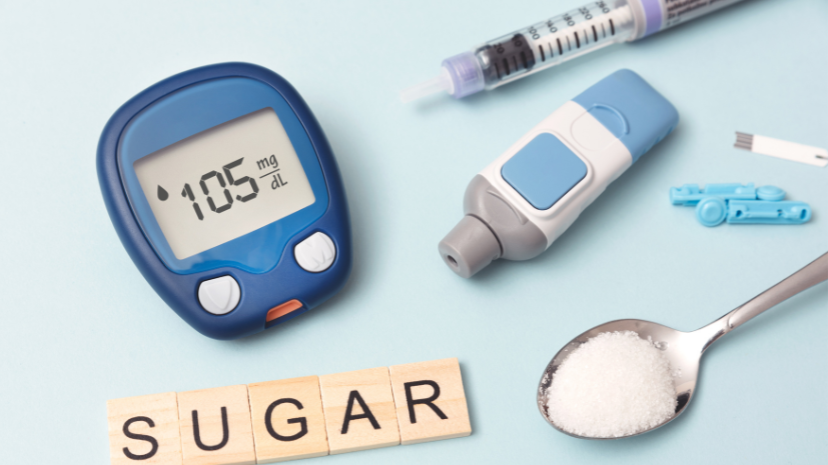
Diagnosis of type 1 diabetes is based on blood tests, which may include:
Fasting blood glucose test: Measures blood sugar levels after at least 8 hours of fasting. A result above 126 mg/dL (7 mmol/L) suggests diabetes.
HbA1c test: Reflects average blood glucose levels over the past 2–3 months. An HbA1c level above 6.5% is indicative of diabetes.
Random blood glucose test: If symptoms are present, a random blood glucose level above 200 mg/dL (11 mmol/L) supports a diagnosis of diabetes.
Additional tests may be performed to detect autoimmune antibodies, helping confirm immune-mediated destruction of insulin-producing cells.
Treatment of type 1 diabetes
Although there is currently no cure for type 1 diabetes, the condition can be effectively managed through insulin therapy and regular blood glucose monitoring. Treatment focuses on three main areas:
Blood glucose control with insulin: People with type 1 diabetes require insulin replacement therapy to maintain blood glucose within a safe range and prevent long-term complications.
Healthy and balanced diet: A structured meal plan with controlled carbohydrate intake helps maintain stable blood sugar levels.
Regular physical activity: Exercise improves insulin sensitivity and supports glucose control. Blood sugar should be monitored before and after exercise to prevent hypoglycemia.
Complications of type 1 diabetes
Poorly controlled blood glucose can lead to serious complications affecting multiple organs, including:
Cardiovascular disease: Increased risk of heart attack, stroke, and hypertension.
Kidney disease: Damage to small blood vessels in the kidneys may result in chronic kidney disease or the need for dialysis.
Vision loss: High blood sugar can damage retinal blood vessels, leading to diabetic retinopathy and potential blindness.
Nerve damage: Diabetic neuropathy can cause numbness, pain, or weakness in the hands and feet.
Conclusion
Type 1 diabetes is a lifelong condition, but it can be well controlled with appropriate medical care and healthy lifestyle habits. Consistent blood glucose management, a balanced diet, and regular physical activity are essential to maintaining good health and preventing serious complications.
For consultation and follow-up of type 1 diabetes at DYM Medical Center Vietnam, please contact:
-
DYM Medical Center Saigon: Room B101-B103, Basement 1, mPlaza Saigon Building, No. 39 Le Duan, Sai Gon Ward, Ho Chi Minh City
-
DYM Medical Center Phu My Hung: Room 3A01, 3A Floor, The Grace Building, 71 Hoang Van Thai Street, Tan My Ward, Ho Chi Minh City
-
DYM Medical Center Hanoi: B1 Basement, Epic Tower, Alley 19 Duy Tan, Cau Giay Ward, Ha Noi
-
Hotline: 1900 29 29 37
Register now to receive the latest offers
Book an appointmentMedical specialties
- Corporate health check-up
- Dental Checkup Package
- Pediatric Examination Package
- Work Permit Examination Package - Work Permit Supplement
- Pre-wedding health check-up
- Obstetrics and Gynecology Package
- Cancer Screening Package
- Health check-up for individuals
- Japan pre-entry Tuberculosis Screening(Jpets)
- Food Handler package
- Medical examination for labor export to Japan
- Medical examination for specific skills to work in Japan (Tokutei)







Contact us
Reach out to DYM for quick support through
our official channels.