


NEWS
Health updates and
clinic news
KIDNEY STONES: CAUSES, SYMPTOMS, DIAGNOSIS, AND TREATMENT
News
Oct 12, 2026
Overview
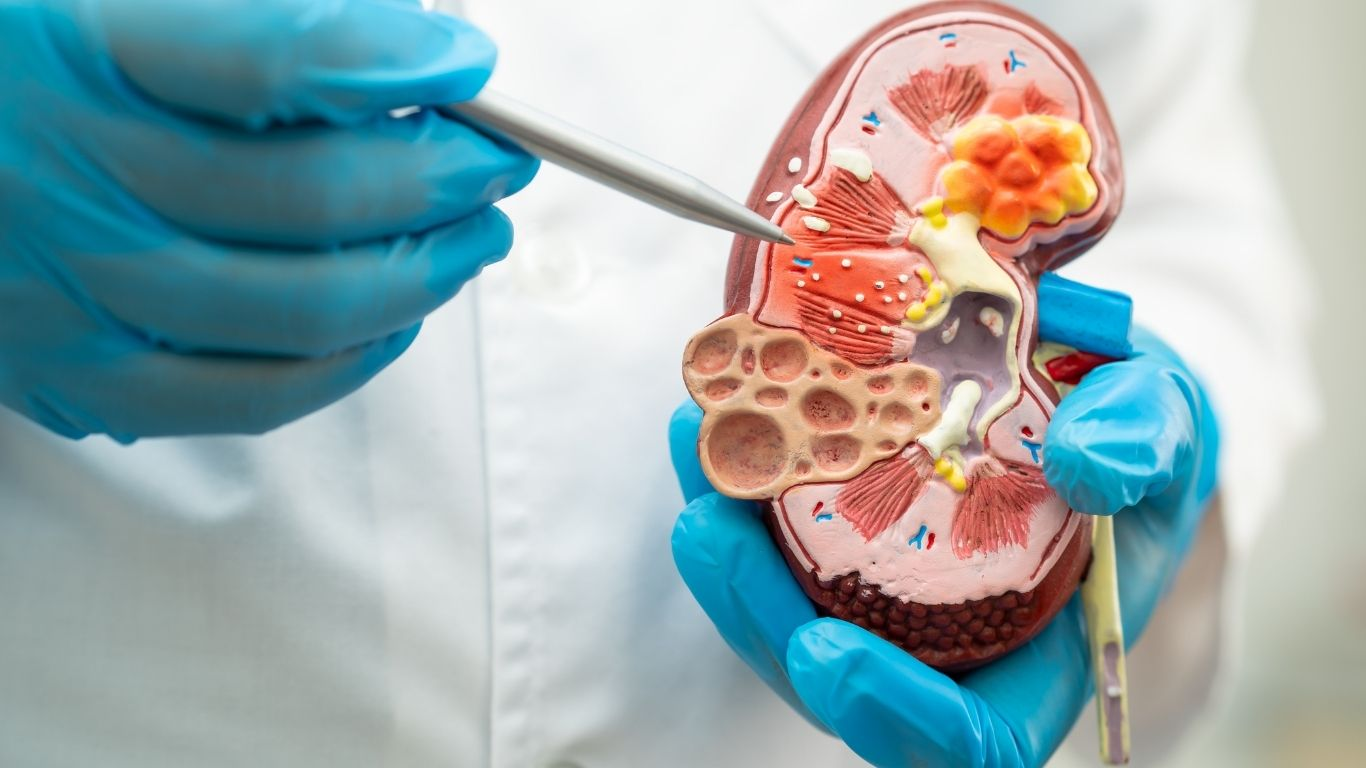
Kidney stones (nephrolithiasis) are solid crystals formed in the kidneys when minerals and salts in the urine precipitate. This is a common urinary tract condition affecting approximately 10–12% of the population, with men being affected more frequently than women (ratio ≈ 2:1).
Kidney stones can cause severe renal colic, hematuria (blood in urine), urinary tract infections, and even kidney failure if not treated promptly.
Causes and risk factors
Kidney stones form when:
- High concentrations of minerals in the urine cause precipitation.
- Urine volume decreases (due to low fluid intake or dehydration).
- There is an imbalance of stone inhibitors (such as citrate).
Common types of stones:
- Calcium oxalate (70–80%): The most common type.
- Calcium phosphate.
- Uric acid stones (5–10%): Often seen in people with gout or high-protein diets.
- Struvite stones (10–15%): Associated with chronic urinary tract infections.
-
Cystine stones (<1%): Rare, caused by genetic disorders.
Risk factors:
- Low water intake (<1.5 liters/day).
- High salt, animal protein, or oxalate-rich diets (spinach, chocolate).
- Family history of kidney stones.
- Obesity and sedentary lifestyle.
- Medical conditions: Gout, hyperparathyroidism, renal tubular acidosis.
- Medications: Diuretics, high-dose Vitamin C, certain antivirals (indinavir).
Symptoms
Small stones may be asymptomatic. When stones move or cause obstruction, typical symptoms include:
- Renal colic: Intense pain in the flank area radiating to the lower abdomen, groin, and genitals. The pain often comes in waves.
- Hematuria: Pink or red-colored urine caused by stones irritating the mucosal lining.
- Dysuria: Painful or frequent urination if the stone is near the bladder.
- Nausea and vomiting: Accompanied by severe pain.
- Fever and chills: Signs of a urinary tract infection; requires immediate hospitalization.
Complications
If left untreated, kidney stones can lead to:
- Hydronephrosis (swelling of the kidney).
- Recurrent urinary tract infections.
- Impaired kidney function or chronic kidney failure.
- Ureteral damage and scarring (strictures).
Diagnostic criteria
1. Clinical evaluation
- Typical renal colic pain.
- Gross or microscopic hematuria.
2. Laboratory and Imaging
- Urinalysis: Detects red blood cells, crystals, and urine pH.
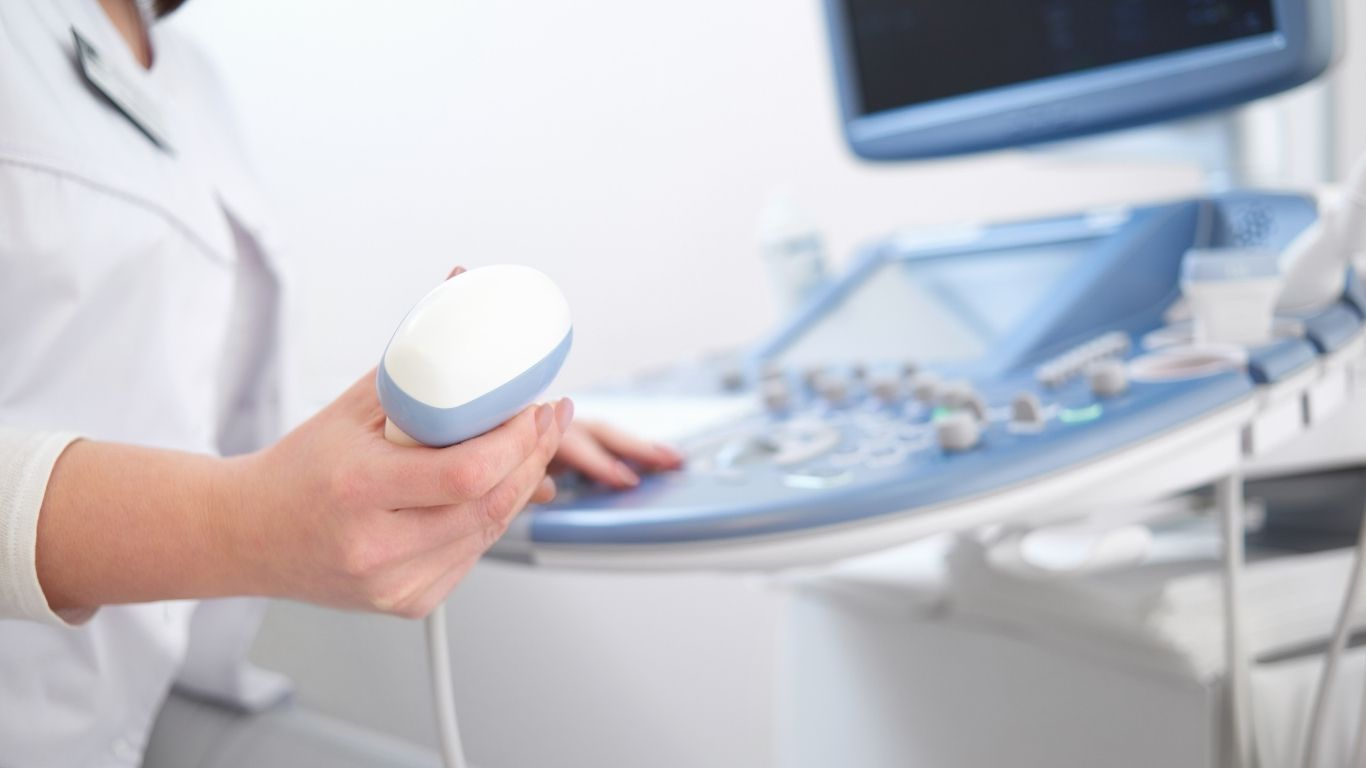
- Urinary ultrasound: Detects stones >5 mm and assesses hydronephrosis.
- KUB X-ray: Detects radiopaque stones (≈80% of stones).
- Non-contrast CT Scan (CT KUB): The gold standard for diagnosis, providing 95–100% sensitivity for identifying location, size, and quantity.
- Blood tests: To check kidney function (creatinine, urea), uric acid, calcium, and phosphate levels.
👉 Definitive diagnostic criteria: Detection of stones through ultrasound or CT imaging, accompanied by consistent clinical symptoms.
Treatment
1. Medical management
- Small stones (≤5 mm): Have a 70–80% chance of passing spontaneously.
- Hydration: Drink 2–3 liters of water per day.
- Medications: Pain relievers (NSAIDs) and alpha-blockers (tamsulosin) to help the stone pass.
2. Interventional procedures
- Extracorporeal Shock Wave Lithotripsy (ESWL): Uses shock waves to break stones (<20 mm).
- Ureteroscopy with Laser Lithotripsy: For ureteral stones or small kidney stones.
- Percutaneous Nephrolithotomy (PCNL): For large stones (>20 mm) or staghorn calculi.
- Open surgery: Rare; only used when other methods fail.
3. Specific treatment by stone type
- Uric acid stones: Urine alkalization (sodium bicarbonate, potassium citrate) can sometimes dissolve these stones.
- Infection stones (Struvite): Requires a combination of stone removal and antibiotics.
Prevention of recurrence
Approximately 50% of patients experience recurrence within 5–10 years. Prevention is crucial:
- Hydration: Drink 2–3 liters of water daily to ensure clear urine.
- Reduce salt: <5 g/day.
- Limit animal protein: Red meat and organ meats.
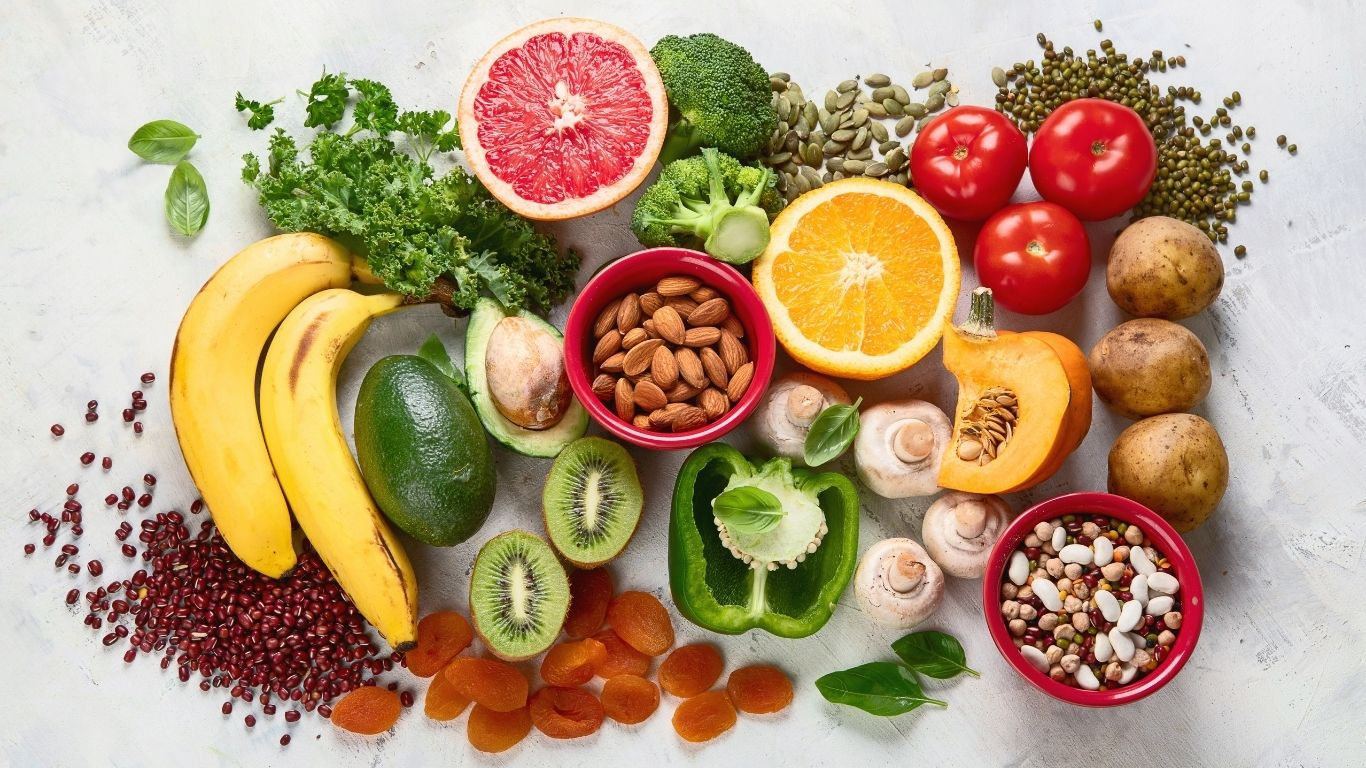
- Avoid high-oxalate foods: Spinach, chocolate, and strong tea.
- Increase citrate: Eat more fruits like oranges and lemons.
-
Follow-up: Periodic ultrasounds every 6–12 months.
When should you see a doctor immediately?
- Severe renal colic that does not subside with pain medication.
- Significant blood in the urine.
- Fever and chills accompanied by back pain (infection risk).
- Inability to urinate (urinary retention).
Frequently asked questions (FAQ)
1. Can kidney stones go away on their own?
Yes, stones ≤5 mm often pass through the urinary tract spontaneously with adequate hydration.
2. Does drinking lots of water dissolve kidney stones?
Water prevents stones from growing and helps small ones pass, but it cannot dissolve large, solid stones.
3. Is shock wave lithotripsy (ESWL) painful?
It may cause discomfort, but it is generally well-tolerated and often performed as an outpatient procedure.
4. Will kidney stones recur?
Yes, there is a 50% risk of recurrence within 5–10 years without dietary and lifestyle changes.
To schedule kidney stone screening and treatment at DYM Medical Center Vietnam, please contact:
-
DYM Medical Center Saigon: Room B101-B103, Basement 1, mPlaza Saigon Building, No. 39 Le Duan, Sai Gon Ward, Ho Chi Minh City
-
DYM Medical Center Phu My Hung: Room 3A01, 3A Floor, The Grace Building, 71 Hoang Van Thai Street, Tan My Ward, Ho Chi Minh City
-
DYM Medical Center Hanoi: B1 Basement, Epic Tower, Alley 19 Duy Tan, Cau Giay Ward, Ha Noi
-
Hotline: 1900 29 29 37
Register now to receive the latest offers
Book an appointmentMedical specialties
- Corporate health check-up
- Dental Checkup Package
- Pediatric Examination Package
- Work Permit Examination Package - Work Permit Supplement
- Pre-wedding health check-up
- Obstetrics and Gynecology Package
- Cancer Screening Package
- Health check-up for individuals
- Japan pre-entry Tuberculosis Screening(Jpets)
- Food Handler package
- Medical examination for labor export to Japan
- Medical examination for specific skills to work in Japan (Tokutei)




Contact us
Reach out to DYM for quick support through
our official channels.