


NEWS
Health updates and
clinic news
SLOW HEART RATE (BRADYCARDIA): CAUSES, SYMPTOMS, AND TREATMENT
News
Jul 31, 2026
Slow Heart Rate (Bradycardia): Causes, Symptoms, and Treatment
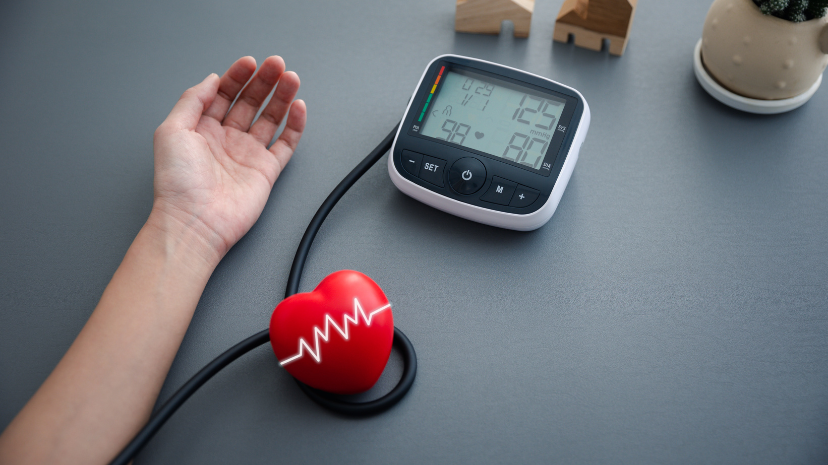
Heart rate is an important indicator of cardiovascular health. In adults, a normal resting heart rate typically ranges from 60 to 100 beats per minute. When the heart rate falls below 60 beats per minute at rest, this condition is known as bradycardia (slow heart rate).
In some cases, a slow heart rate can be completely normal and even reflect good cardiovascular fitness, such as in well-trained athletes. However, in other situations, it may signal an underlying medical condition that requires attention.
Is a slow heart rate always normal?
A slow heart rate is not always abnormal.
People who exercise regularly or professional athletes often have a more efficient heart. Their heart pumps a larger volume of blood with each beat, allowing it to beat more slowly without compromising blood flow. In these cases, bradycardia is usually harmless and does not require treatment.
On the other hand, in individuals who are not physically active, bradycardia may signal a health problem especially if it is accompanied by symptoms such as fatigue, dizziness, or fainting.
Symptoms of Bradycardia
Many people with bradycardia experience no symptoms, particularly when the slow heart rate does not significantly reduce blood flow to vital organs. However, if the heart rate is too slow to meet the body’s oxygen needs, symptoms may include:
-
Persistent fatigue: Reduced oxygen delivery can cause ongoing tiredness, even with minimal activity.
-
Dizziness or lightheadedness: Often due to decreased blood flow to the brain.
-
Fainting (syncope): A serious symptom that requires immediate medical evaluation.
-
Shortness of breath: May occur during physical activity or even at rest.
-
Chest pain: This may indicate a more serious underlying heart condition.
If slow heart rate is accompanied by chest pain, shortness of breath, or fainting, urgent medical attention is required, as these may indicate serious conditions such as heart attack or heart failure.
Causes of a Bradycardia
Bradycardia can result from various factors,including lifestyle habits, underlying medical conditions, or abnormalities in the heart’s electrical system. Common causes include:
1. Disorders of the heart’s conduction system
The heart relies on electrical signals generated by the sinus node (the heart’s natural pacemaker). If these signals are delayed or blocked, the heart rate may slow down.
2. Structural heart disease
Conditions such as previous heart attack, myocarditis, coronary artery disease, or cardiomyopathy can damage heart muscle and disrupt normal electrical conduction.
3. Medication effects
Certain medications used to treat high blood pressure, arrhythmias, or mental health conditions may slow the heart rate. Common examples include beta blockers and calcium channel blockers.
4. Electrolyte imbalances
Electrolytes such as potassium, sodium, and calcium are essential for normal heart rhythm. Imbalances can interfere with the heart’s electrical activity.
5. Hormonal disorders
Hypothyroidism is a common cause of bradycardia. Low thyroid hormone levels slow metabolism and can lead to a reduced heart rate.
6. Aging
In older adults, natural degeneration of the heart’s conduction system increases the risk of slow heart rate.
Diagnosis of Bradycardia
Diagnosis typically begins with a clinical examination and review of medical history. To determine the cause and severity of bradycardia, doctors may recommend the following tests:
-
Electrocardiogram (ECG): The most common test to record the heart’s electrical activity and detect rhythm abnormalities.
-
Holter ECG monitoring: Continuous heart rhythm monitoring over 24–48 hours to capture intermittent abnormalities.
-
Blood tests: Used to assess thyroid hormone levels, electrolyte balance, and signs of infection or inflammation.
-
Echocardiography: Provides detailed images of the heart’s structure and function to identify damage or functional impairment.
Possible complications
If left untreated, bradycardia may lead to serious complications, including:
-
Fainting and falls: Reduced blood flow to the brain can cause sudden loss of consciousness and injury.
-
Heart failure: Persistent slow heart rate may impair the heart’s ability to meet the body’s demands.
-
Sudden cardiac arrest: In severe cases, especially in patients with underlying heart disease, bradycardia may result in life-threatening cardiac events.
Treatment of Bradycardia
Treatment depends on the underlying cause and the severity of symptoms. Some individuals with mild, asymptomatic bradycardia may not require treatment. In other cases, management options include:
1. Medication adjustment
If bradycardia is caused by medications, doctors may reduce the dose or switch to an alternative drug.
2. Pacemaker implantation
A pacemaker is a small device implanted under the skin that delivers electrical impulses to maintain an adequate heart rate. It is commonly used in patients with significant conduction system disorders.
3. Treating the underlying cause
Managing conditions such as hypothyroidism or correcting electrolyte imbalances can help restore a normal heart rate.
Prevention of a slow heart rate
While not all causes of bradycardia can be prevented, the risk can be reduced through healthy lifestyle habits:
-
Regular physical activity: Helps improve overall cardiovascular health and circulation.
-
Balanced diet: Focus on fruits, vegetables, whole grains, and fiber-rich foods to support heart health.
-
Control underlying conditions: Proper management of hypertension, diabetes, or thyroid disorders is essential.
-
Limit alcohol and avoid smoking: These habits can negatively affect heart function.
-
Routine health check-ups: Regular screenings help detect heart rhythm issues early and prevent complications.
When Should You See a Doctor?
You should seek medical attention if you notice a slow heart rate accompanied by symptoms such as dizziness, fainting, or shortness of breath. In addition, regular health check-ups at DYM Medical Center can help with early diagnosis and timely treatment, reducing the risk of complications and improving long-term quality of life.
To schedule an appointment at DYM Medical Center Vietnam, please contact:
-
DYM Medical Center Saigon: Room B101-B103, Basement 1, mPlaza Saigon Building, No. 39 Le Duan, Sai Gon Ward, Ho Chi Minh City
-
DYM Medical Center Phu My Hung: Room 3A01, 3A Floor, The Grace Building, 71 Hoang Van Thai Street, Tan My Ward, Ho Chi Minh City
-
DYM Medical Center Hanoi: B1 Basement, Epic Tower, Alley 19 Duy Tan, Cau Giay Ward, Ha Noi
-
Hotline: 1900 29 29 37
Register now to receive the latest offers
Book an appointmentMedical specialties
- Corporate health check-up
- Dental Checkup Package
- Pediatric Examination Package
- Work Permit Examination Package - Work Permit Supplement
- Pre-wedding health check-up
- Obstetrics and Gynecology Package
- Cancer Screening Package
- Health check-up for individuals
- Japan pre-entry Tuberculosis Screening(Jpets)
- Food Handler package
- Medical examination for labor export to Japan
- Medical examination for specific skills to work in Japan (Tokutei)




Contact us
Reach out to DYM for quick support through
our official channels.