


NEWS
Health updates and
clinic news
CA72-4 GASTRIC CANCER MARKER: CLINICAL SIGNIFICANCE AND APPLICATIONS
News
Sep 15, 2026
Overview of the CA72-4 tumor marker
CA72-4 (Carbohydrate Antigen 72-4) is a high-molecular-weight glycoprotein found on the surface of various cancer cells, particularly gastric adenocarcinoma.
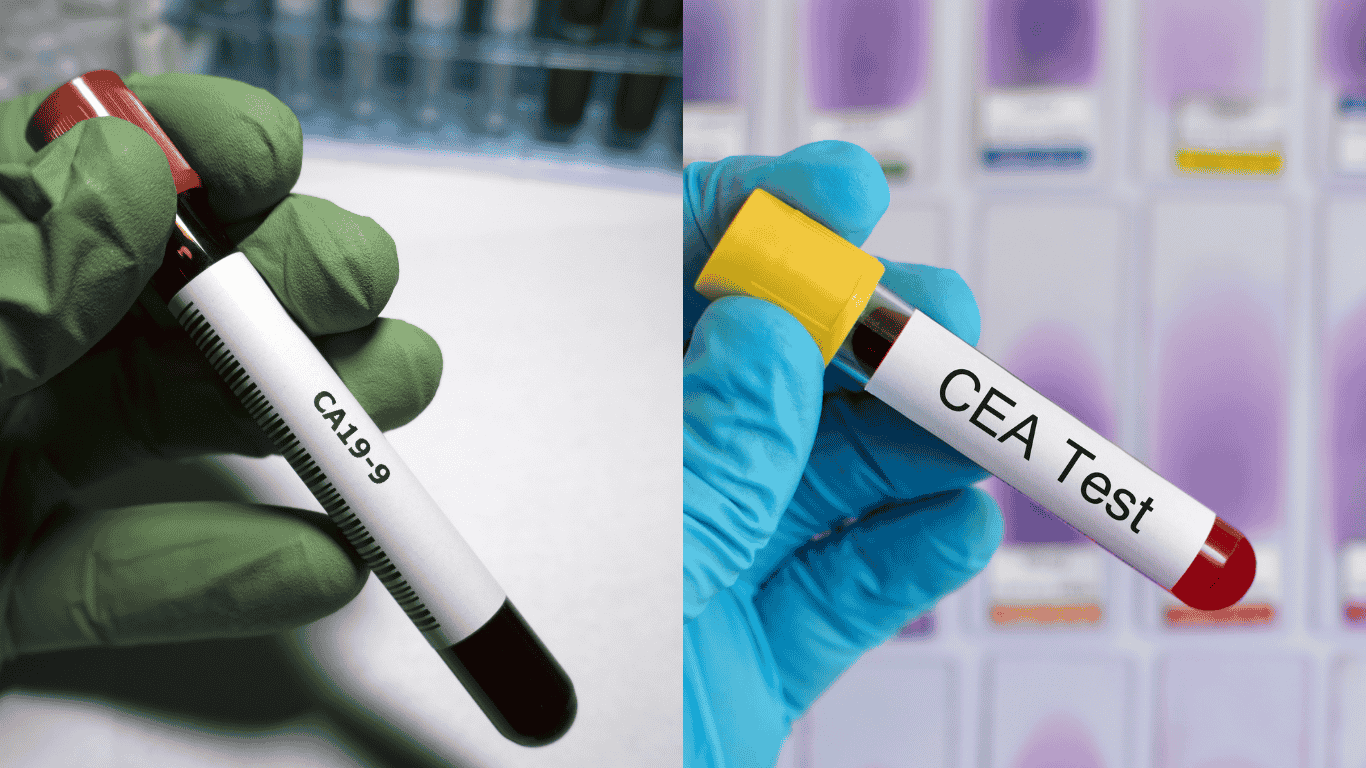
In clinical practice, CA72-4 serves as a tumor marker to support diagnosis, monitor treatment efficacy, and detect recurrence in gastric cancer. Unlike diagnostic imaging, this is a simple, minimally invasive blood test. It is frequently ordered alongside other markers like CEA and CA19-9 to enhance diagnostic value.
Clinical role of CA72-4
-
Diagnostic support: Elevated levels are often found in gastric cancer patients, especially those with mucinous adenocarcinoma.
-
Treatment assessment: Following tumor resection, CA72-4 levels typically drop significantly. Persistently high levels may suggest residual cancer cells.
-
Recurrence monitoring: A secondary rise in CA72-4 is often an early indicator of recurrence or metastasis.
-
Synergistic detection: Combining CA72-4 with CEA or CA19-9 significantly improves the accuracy of gastric cancer surveillance.
Normal vs. abnormal values
-
Normal range: Typically < 6.9 U/mL (thresholds may vary by laboratory).
-
Elevated levels: High concentrations suggest potential gastric cancer or other malignancies.
-
Non-Gastric causes ofelevation:
- Malignant: Ovarian, pancreatic, colorectal, or lung cancers.
- Benign: Gastric ulcers or chronic liver disease may cause slight elevations.
⚠️ Important: CA72-4 should never be used as a standalone diagnostic tool. It must be interpreted alongside gastroscopy, histopathology (biopsy), and other clinical findings.
Sensitivity and specificity
-
Sensitivity: Ranges from 28% to 80% for gastric cancer, peaking in mucinous adenocarcinoma cases.
-
Specificity: High at 90% to 95%, meaning it rarely rises in healthy individuals.
-
Comparison: CA72-4 offers higher specificity for gastric cancer than CEA or CA19-9, making it more useful for confirming malignancy, though it is less sensitive for early-stage detection.
Indications for testing
A CA72-4 test may be indicated for:
-
Patients with suspicious symptoms (bloating, loss of appetite, unexplained weight loss, hematemesis, or melena).
-
Confirmed gastric cancer patients for prognostic assessment and post-treatment monitoring (surgery, chemotherapy, or radiotherapy).
-
Early detection of metastasis or recurrence.
-
High-risk groups (family history, chronic gastric ulcers, or long-term H. pylori infection).
Limitations
-
Non-absolute Specificity: Levels can rise due to non-gastric cancers or certain benign conditions.
-
False Negatives: Many early-stage gastric cancer patients still show CA72-4 levels within the normal range.
-
Monitoring Trends: A single result is less informative than observing fluctuations over time.
-
Not a Substitute: It cannot replace endoscopy and biopsy, the gold standards for gastric cancer diagnosis.
Procedure and preparation
-
Preparation: No fasting is required. Patients should inform their doctor of any current medications.
-
Execution: A standard venous blood draw.
-
Results: Typically available within 1–2 business days.
When do you need to see the doctor?
Seek medical advice immediately if you experience:
-
Early satiety or persistent bloating.
-
Rapid, unexplained weight loss.
-
Dull pain in the epigastric region.
-
Vomiting blood or passing black, tarry stools (melena).
-
A history of ulcers, H. pylori, or family history of gastric cancer.

FAQ (Frequently Asked Questions)
1. Can CA72-4 detect gastric cancer in its early stages?
No. Its sensitivity is limited in early stages. Gastroscopy and biopsy remain the primary methods for early detection.
2. Does a high CA72-4 level mean I definitely have cancer?
No. It can be elevated due to other conditions. A definitive diagnosis requires an endoscopy and clinical correlation.
3. Is CA72-4 useful after I have already completed treatment?
Yes. It is vital for monitoring your recovery and detecting early signs of recurrence or metastasis.
4. Can I use CA72-4 screening instead of an endoscopy?
No. CA72-4 is not a general screening tool. Gastroscopy remains the most accurate method for early diagnosis.
5. How often should I repeat this test?
This depends on your specific case. Post-treatment patients are typically tested every 3–6 months.
Conclusion
The CA72-4 test is a vital tumor marker that provides significant value in the diagnosis, monitoring, and detection of gastric cancer recurrence, particularly when used in conjunction with other markers such as CEA and CA19-9. However, it is not a definitive diagnostic tool and cannot replace the gold-standard methods of endoscopy and biopsy.
A clear understanding of CA72-4's role helps patients feel more reassured during testing and fosters better collaboration with physicians for effective monitoring and long-term treatment.
To schedule a CA72-4 test and gastric health screening at DYM Medical Center Vietnam, please contact us:
-
DYM Medical Center Saigon: Room B101-B103, Basement 1, mPlaza Saigon Building, No. 39 Le Duan, Sai Gon Ward, Ho Chi Minh City
-
DYM Medical Center Phu My Hung: Room 3A01, 3A Floor, The Grace Building, 71 Hoang Van Thai Street, Tan My Ward, Ho Chi Minh City
-
DYM Medical Center Hanoi: B1 Basement, Epic Tower, Alley 19 Duy Tan, Cau Giay Ward, Ha Noi
-
Hotline: 1900 29 29 37
Register now to receive the latest offers
Book an appointmentMedical specialties
- Corporate health check-up
- Dental Checkup Package
- Pediatric Examination Package
- Work Permit Examination Package - Work Permit Supplement
- Pre-wedding health check-up
- Obstetrics and Gynecology Package
- Cancer Screening Package
- Health check-up for individuals
- Japan pre-entry Tuberculosis Screening(Jpets)
- Food Handler package
- Medical examination for labor export to Japan
- Medical examination for specific skills to work in Japan (Tokutei)












Contact us
Reach out to DYM for quick support through
our official channels.