


NEWS
Health updates and
clinic news
KIDNEY CYSTS: CAUSES, SYMPTOMS, DIAGNOSIS, AND TREATMENT
News
Jul 21, 2026
Kidney cysts: causes, symptoms, diagnosis, and treatment
Overview
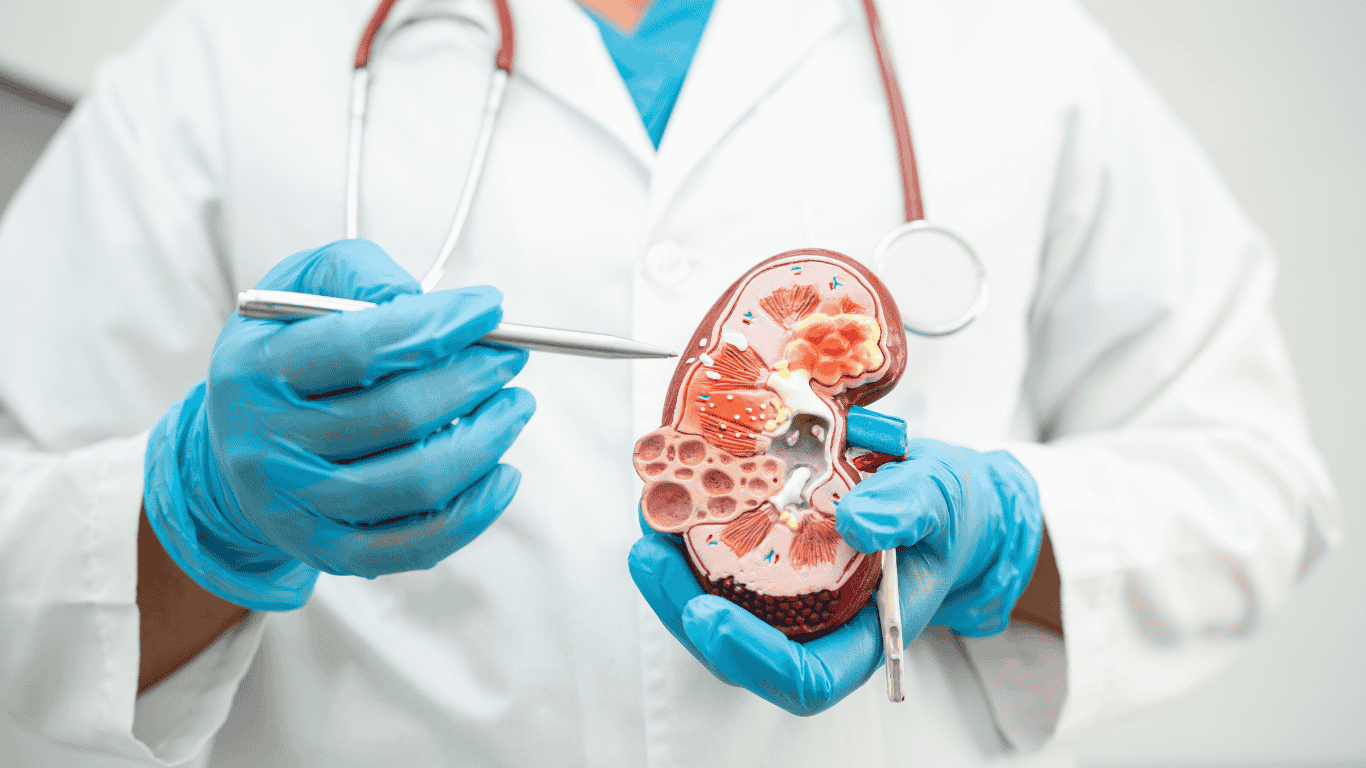
Kidney cysts are fluid-filled sacs with thin walls that form within or on the surface of the kidneys. Most cysts are solitary, benign, and asymptomatic, often discovered incidentally during an ultrasound. However, large or multiple cysts can cause compression, pain, infection, or may be associated with hereditary conditions such as polycystic kidney disease (PKD).
The prevalence of kidney cysts increases with age. Statistics show that 20–30% of people over 50 have simple kidney cysts, and the majority do not require specific treatment.
Causes and classification
1. Simple kidney cysts
- The exact cause is unclear, possibly due to obstruction of the renal tubules or chronic mild inflammation.
- Characteristics: Thin walls, clear fluid, no septations, and no calcification.
- Almost always benign.
2. Complex cysts
- These contain septations, calcifications, thickened walls, or solid components.
- Require classification using the Bosniak system on a CT scan to assess malignancy risk.
3. Polycystic kidney disease (PKD)
- A genetic disorder inherited in an autosomal dominant or recessive pattern.
- Numerous cysts develop in both kidneys, increasing kidney size and potentially leading to chronic kidney failure.
Symptoms
Most kidney cysts are asymptomatic. When cysts grow large or numerous, symptoms may include:
- Dull pain in the flank or lower back.
- Abdominal fullness or pressure.
- Hematuria: Blood in the urine due to cyst rupture or compression.
- Cyst infection: Fever, pain, and cloudy urine.
- Hypertension: High blood pressure caused by cysts compressing renal blood vessels.
In Polycystic Kidney Disease (PKD):
- Chronic back pain and resistant hypertension.
- Progressive renal failure.
- May be associated with liver cysts or cerebral aneurysms.
Complications
- Infection: Fever and localized pain.
- Rupture: Causes acute pain and hematuria.
- Hypertension: Particularly common in PKD.
- Chronic kidney failure: For patients with numerous cysts or PKD.
- Renal cell carcinoma: A higher risk exists with complex (Bosniak III/IV) cysts.
Diagnostic criteria
1. Abdominal ultrasound
- The primary, non-invasive method with high sensitivity.
- Simple cysts appear as round/oval structures with thin walls and clear fluid.
2. Contrast-enhanced CT scan
Used to evaluate complex cysts via the Bosniak classification:
- Bosniak I: Simple cyst, benign.
- Bosniak II: Few thin septations, low risk.
- Bosniak IIF: Requires periodic monitoring.
- Bosniak III: Thickened septations, enhancement; 40–60% malignancy risk.
- Bosniak IV: Solid components; >80% malignancy risk.
3. MRI and laboratory tests
- MRI: Useful when CT results are inconclusive.
- Blood/Urine tests: To evaluate kidney function (creatinine, urea) and check for hematuria or proteinuria.
Primary diagnostic criteria: Characteristic appearance of the cyst on ultrasound or CT imaging.
Treatment
1. Asymptomatic simple cysts
- No treatment required; periodic ultrasound monitoring (every 6–12 months).
2. Symptomatic or complicated cysts
- Percutaneous aspiration and sclerotherapy (using ethanol): To drain the fluid and reduce the risk of recurrence.
- Laparoscopic cyst decortication: Indicated for large cysts or those that recur multiple times.
- Management of infected cysts: Treatment with antibiotics and drainage if necessary.
3. Polycystic kidney disease (PKD)
- Symptomatic treatment: Focused on blood pressure control and pain management.
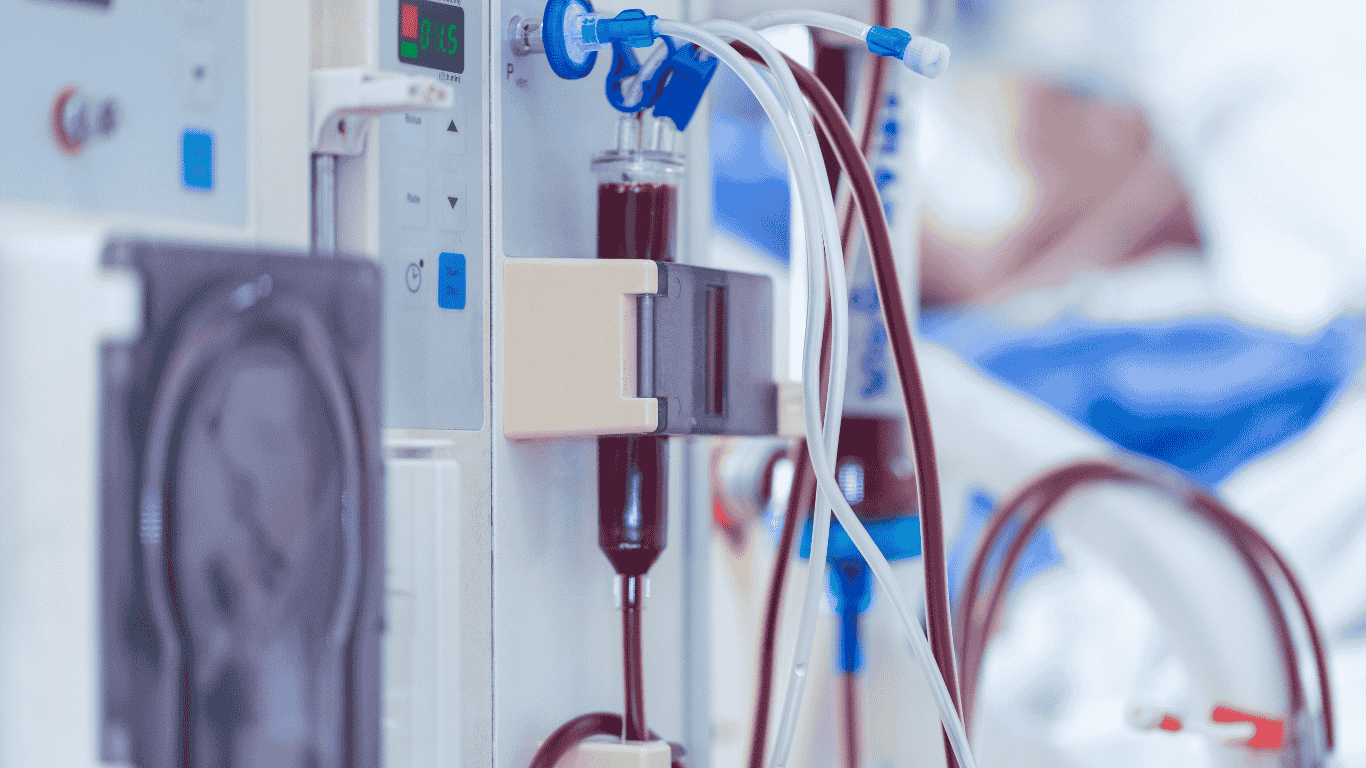
- Management of complications: Dialysis or kidney transplant for patients with end-stage renal disease (ESRD).
- Targeted therapy: Vasopressin V2 receptor antagonists (e.g., Tolvaptan) may be used to slow disease progression.
Prevention
There are no specific measures to prevent simple kidney cysts. However, to limit complications and support overall kidney health, the following are recommended:
- Maintain hydration: Drink 2–2.5 liters of water per day.
- Reduce salt intake: Limit sodium to <5 g/day.
- Healthy diet: Increase consumption of green vegetables and fruits.
- Lifestyle choices: Avoid alcohol and tobacco.
- Blood pressure management: Strictly control blood pressure levels.
- Regular check-ups: Undergo periodic examinations and ultrasounds to detect any abnormal changes early.
When to seek immediate medical attention?
- Persistent or severe renal/flank pain.
- Blood in the urine or cloudy urine.
- Fever and chills (suggesting an infected cyst).
- Uncontrolled high blood pressure.
- A family history of polycystic kidney disease.
Conclusion
Kidney cysts are a common condition; the majority are benign and do not require treatment. However, complex cysts or polycystic kidney disease can lead to serious complications such as kidney failure or renal cancer.
Regular ultrasound monitoring, blood pressure control, and close follow-up are essential for the effective management of patients with kidney cysts.
Frequently asked questions (FAQ)
1. Are kidney cysts dangerous?
Most simple kidney cysts are benign and harmless. However, complex cysts or PKD require close monitoring due to the risk of cancer or kidney failure.
2. Do kidney cysts go away on their own?
No. Cysts usually persist and may gradually increase in size over time.
3. Is surgery necessary for kidney cysts?
Surgery is only indicated if the cyst is very large, causes pain/obstruction, becomes infected, or shows signs of malignancy.
4. Can kidney cysts cause renal failure?
Simple cysts do not typically cause renal failure. However, Polycystic Kidney Disease (PKD) is a progressive condition that can lead to end-stage renal failure.
To schedule an appointment for kidney cyst screening and monitoring at DYM Medical Center Vietnam, please contact us:
-
DYM Medical Center Saigon: Room B101-B103, Basement 1, mPlaza Saigon Building, No. 39 Le Duan, Sai Gon Ward, Ho Chi Minh City
-
DYM Medical Center Phu My Hung: Room 3A01, 3A Floor, The Grace Building, 71 Hoang Van Thai Street, Tan My Ward, Ho Chi Minh City
-
DYM Medical Center Hanoi: B1 Basement, Epic Tower, Alley 19 Duy Tan, Cau Giay Ward, Ha Noi
-
Hotline: 1900 29 29 37
Register now to receive the latest offers
Book an appointmentMedical specialties
- Corporate health check-up
- Dental Checkup Package
- Pediatric Examination Package
- Work Permit Examination Package - Work Permit Supplement
- Pre-wedding health check-up
- Obstetrics and Gynecology Package
- Cancer Screening Package
- Health check-up for individuals
- Japan pre-entry Tuberculosis Screening(Jpets)
- Food Handler package
- Medical examination for labor export to Japan
- Medical examination for specific skills to work in Japan (Tokutei)



Contact us
Reach out to DYM for quick support through
our official channels.