

NEWS
Health updates and
clinic news
THYROID CYSTS AND THYROID NODULES: CAUSES, DIAGNOSIS, AND TREATMENT
News
Jul 23, 2026
Thyroid cysts and Thyroid nodules: Causes, diagnosis, and treatment
Overview
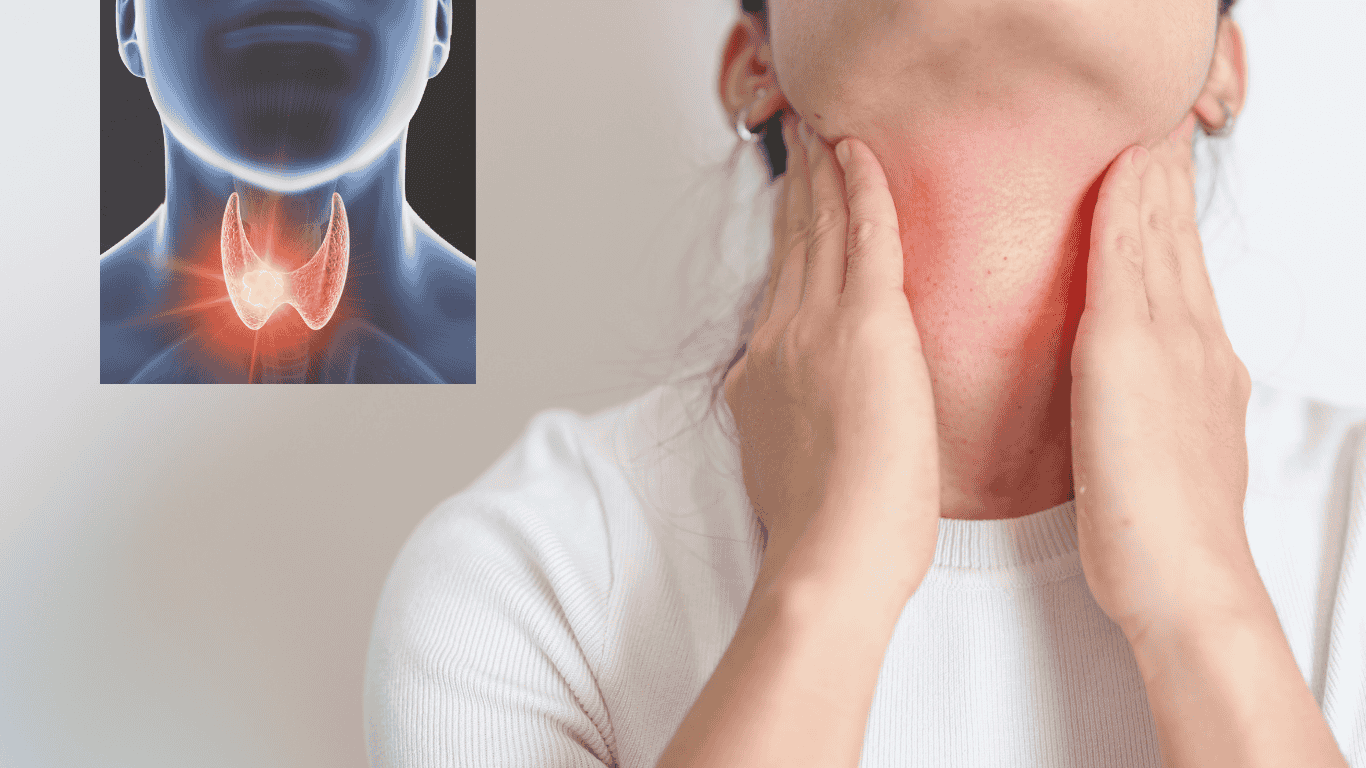
Thyroid cysts and nodules are common abnormalities within the thyroid gland.
-
Thyroid Cysts: Fluid-filled sacs or mixed structures containing both fluid and solid tissue.
-
Thyroid Nodules: Solid or partially solid formations that can be either benign or malignant.
Statistically, palpable nodules affect approximately 5–10% of the population. However, with high-resolution ultrasound screening, detection rates can reach 50–60%. The vast majority are benign, with only 5–10% diagnosed as thyroid cancer.
Causes
Thyroid cysts:
-
Cystic degeneration of a benign thyroid nodule.
-
Localized hemorrhage or cystic changes within the thyroid tissue.
Thyroid nodules:
-
Benign thyroid goiter.
-
Chronic thyroiditis (such as Hashimoto's thyroiditis).
-
Thyroid cancer (papillary, follicular, medullary, or anaplastic).
-
Risk factors: Iodine deficiency, radiation exposure, genetics, and female gender (3 times more common than in men).
Symptoms
Most cysts and nodules are asymptomatic and found incidentally. When they grow large, they may cause:
-
A palpable lump in the neck.
-
Difficulty swallowing or a "lump in the throat" sensation.
-
Hoarseness (due to compression of the recurrent laryngeal nerve).
-
Shortness of breath if the nodule compresses the trachea.
Signs of malignancy: Hard, fixed nodules often accompanied by enlarged cervical lymph nodes.
Complications
-
Compression: Difficulty swallowing and breathing.
-
Cystic Infection: A rare occurrence characterized by localized pain and fever.
-
Thyroid Cancer: A primary concern, particularly with solid nodules larger than 1 cm that exhibit suspicious ultrasound features.
Diagnostic criteria
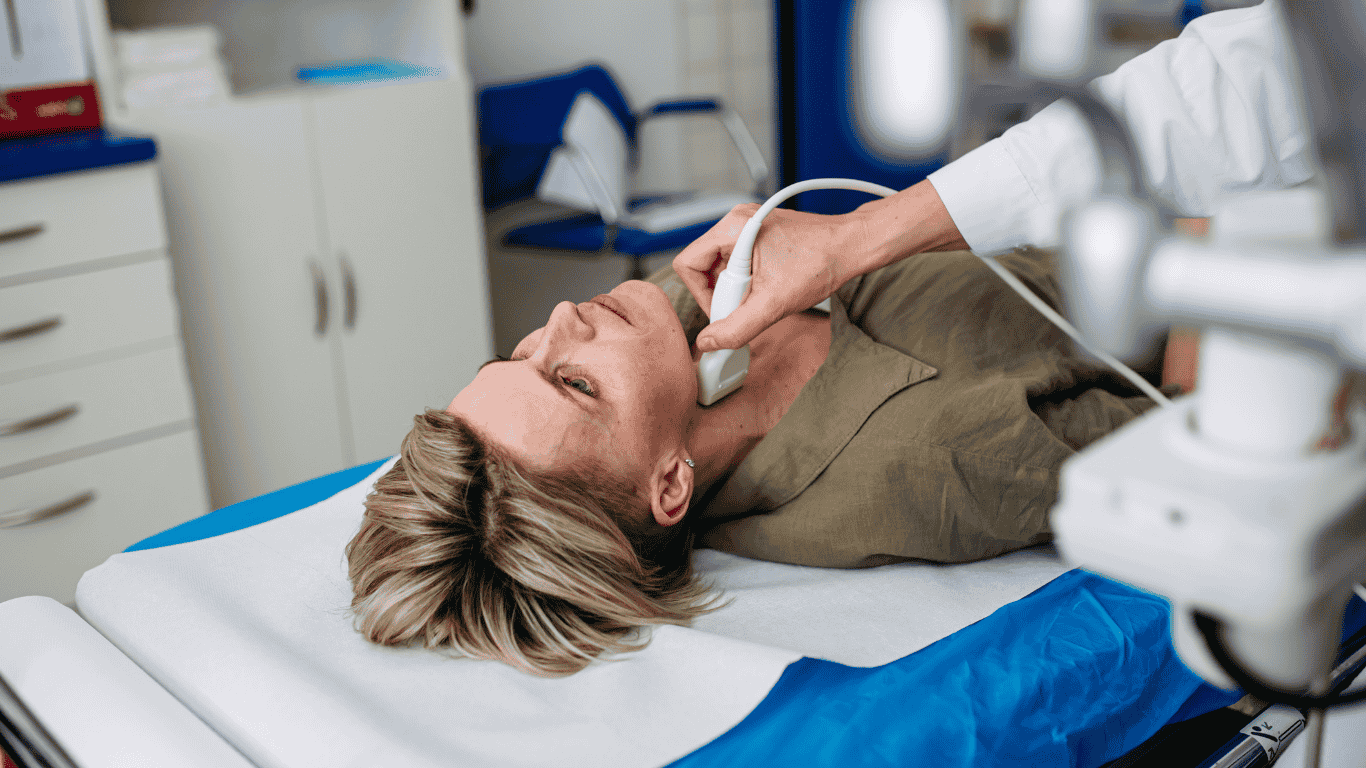
1. Thyroid ultrasound (Primary method)
Evaluates size, structure (solid/cystic), microcalcifications, margins, and shape (taller-than-wide). Results are classified using the TIRADS system:
-
TIRADS 1–2: Normal or benign.
-
TIRADS 3: Low risk of malignancy (~2%).
-
TIRADS 4: Intermediate risk (6–30%).
-
TIRADS 5: High risk of malignancy (50–80%).
2. Fine needle aspiration (FNA)
The gold standard for diagnosing thyroid nodules. Indicated for:
-
Solid nodules >1 cm with suspicious ultrasound features.
-
Nodules >1.5–2 cm even without suspicious features.
-
Results are reported via the Bethesda system (Bethesda II: Benign; V–VI: Suspicious or Malignant).
3. Thyroid function tests
-
TSH, FT4, FT3: Used to evaluate thyroid function.
-
Nodules or cysts may be associated with hyperthyroidism or hypothyroidism..
4. Thyroid scan (Scintigraphy)
Differentiates between "hot" nodules (usually benign) and "cold" nodules (higher risk of malignancy).
Treatment
-
Simple thyroid cysts: Small, asymptomatic cysts require only periodic monitoring. Large or recurrent cysts may need aspiration, ethanol sclerotherapy, or surgical removal.
-
Benign thyroid nodules: Monitored every 6–12 months via ultrasound. Surgery is considered if the nodule grows rapidly or causes compression.
-
Suspicious or Malignant nodules: Requires partial or total thyroidectomy, potentially followed by Radioactive Iodine (I-131) therapy and long-term monitoring of Thyroglobulin levels.
-
Medical Therapy: In certain cases, TSH-suppression therapy with thyroid hormones may be used to slow nodule growth. However, its effectiveness is limited and it is not a routine indication.
Prevention
-
Ensure adequate iodine intake in the daily diet (iodized salt).
-
Limit radiation exposure, especially in children.
-
Regular health check-ups for early detection of thyroid abnormalities.
-
Early screening is recommended for individuals with a family history of thyroid cancer.
When to seek immediate medical attention?
-
Rapidly enlarging neck mass.
-
Persistent difficulty swallowing, breathing, or hoarseness.
-
Presence of swollen lymph nodes in the neck.
-
Ultrasound results indicating a high-risk nodule.
Conclusion
Thyroid cysts and nodules are common conditions. While the majority are benign, a small percentage can progress to thyroid cancer. Ultrasound and Fine Needle Aspiration (FNA) are essential methods for differentiating between benign and malignant lesions.
Regular health check-ups and following clinical recommendations for monitoring are the best ways to prevent complications and ensure early cancer detection.
To schedule an appointment for thyroid screening and monitoring at DYM Medical Center Vietnam, please contact us:
-
DYM Medical Center Saigon: Room B101-B103, Basement 1, mPlaza Saigon Building, No. 39 Le Duan, Sai Gon Ward, Ho Chi Minh City
-
DYM Medical Center Phu My Hung: Room 3A01, 3A Floor, The Grace Building, 71 Hoang Van Thai Street, Tan My Ward, Ho Chi Minh City
-
DYM Medical Center Hanoi: B1 Basement, Epic Tower, Alley 19 Duy Tan, Cau Giay Ward, Ha Noi
Frequently asked questions (FAQ)
1. Can thyroid cysts disappear on their own?
Small cysts may occasionally regress, but most remain long-term and require monitoring.
2. Is there a risk of thyroid nodules becoming cancerous?
Only about 5–10% of thyroid nodules are malignant.
3. When is Fine Needle Aspiration (FNA) necessary?
FNA is indicated for nodules >1 cm with suspicious features, or >1.5–2 cm even without suspicious features.
4. Should all thyroid nodules be surgically removed?
No. Surgery is only performed for malignant or suspicious nodules, or those causing compressive symptoms.
5. Can I lead a normal life after thyroid cancer surgery?
Yes. Most thyroid cancer patients have an excellent prognosis. The 10-year survival rate can exceed 90% with early detection and proper treatment.
Register now to receive the latest offers
Book an appointmentMedical specialties
- Corporate health check-up
- Dental Checkup Package
- Pediatric Examination Package
- Work Permit Examination Package - Work Permit Supplement
- Pre-wedding health check-up
- Obstetrics and Gynecology Package
- Cancer Screening Package
- Health check-up for individuals
- Japan pre-entry Tuberculosis Screening(Jpets)
- Food Handler package
- Medical examination for labor export to Japan
- Medical examination for specific skills to work in Japan (Tokutei)

Contact us
Reach out to DYM for quick support through
our official channels.