


NEWS
Health updates and
clinic news
TACHYCARDIA: WHEN IS A FAST HEART RATE DANGEROUS?
News
May 22, 2026
1. What Is Tachycardia?
In a healthy adult, the heart normally beats about 60–100 times per minute at rest. When the heart rate exceeds 100 beats per minute, this condition is called tachycardia (fast heart rate).
A fast heart rate is not always a medical problem. For example, it may occur temporarily after physical activity, emotional stress or anxiety, drinking coffee or energy drinks which usually returns to normal after rest.
However, if a fast heart rate persists, occurs without an obvious trigger, or is accompanied by uncomfortable symptoms, it may indicate an underlying heart or systemic condition.

2. Causes of Tachycardia
The causes of tachycardia can be broadly classified into physiological and pathological causes.
2.1. Physiological causes
-
Strenuous physical activity
-
Emotional stress, anxiety, or excitement
-
Fever or dehydration
-
Excessive caffeine, alcohol, or energy drinks
-
Smoking
In these situations, the heart rate usually returns to normal shortly after rest.
2.2. Pathological causes
-
Cardiovascular diseases: coronary artery disease, heart failure, valvular heart disease.
-
Heart rhythm disorders (arrhythmias): atrial fibrillation, atrial flutter, supraventricular tachycardia, ventricular tachycardia.
-
Thyroid disorders: hyperthyroidism causing sustained tachycardia.
-
Anemia or significant blood loss: compensatory increase in heart rate to maintain oxygen delivery.
-
Severe infections or septic shock.
-
Electrolyte imbalances (low potassium or magnesium).
-
Medication-related effects: asthma medications, cold remedies, corticosteroids, and stimulants.
3. Classification of Tachycardia
Based on the site of origin, tachycardia is divided into two main categories:
a. Supraventricular Tachycardia (SVT)
-
Originates above the ventricles, usually from the atria or atrioventricular (AV) node.
-
Includes paroxysmal SVT, atrial flutter, and atrial fibrillation.
-
Generally less life-threatening than ventricular tachycardia but often causes palpitations and discomfort.
b. Ventricular Tachycardia (VT)
-
Originates from the ventricles.
-
Potentially life-threatening and may degenerate into ventricular fibrillation, leading to sudden cardiac death.
Other common patterns include:
-
Sinus tachycardia: increased activity of the sinus node, often benign (e.g., exercise, fever, anemia).
-
Non-sinus tachycardia: caused by ectopic pacemakers, usually more serious.
4. Symptoms
The clinical manifestations of tachycardia vary depending on severity and underlying cause:
-
Palpitations or a pounding heartbeat.
-
Feeling anxious or uncomfortable.
-
Dizziness or lightheadedness.
-
Chest pain or shortness of breath.
-
Fatigue and reduced exercise tolerance.
-
Syncope or loss of consciousness (commonly associated with dangerous ventricular arrhythmias).
In some mild or transient cases, tachycardia may be asymptomatic and detected only during a routine check-up or ECG.
5. Possible Complications
If tachycardia is persistent or associated with underlying heart disease, it may lead to:
-
Blood clots - Thromboembolism and stroke (especially in atrial fibrillation)
-
Heart failure
-
Blood pressure instability (hypertension or hypotension)
-
Fainting and injury due to loss of consciousness
-
Sudden cardiac death (commonly associated with ventricular tachycardia or ventricular fibrillation)
6. Diagnosis
To identify the cause and type of tachycardia, physicians may perform:
-
Clinical examination: pulse assessment, blood pressure measurement, cardiac auscultation.
-
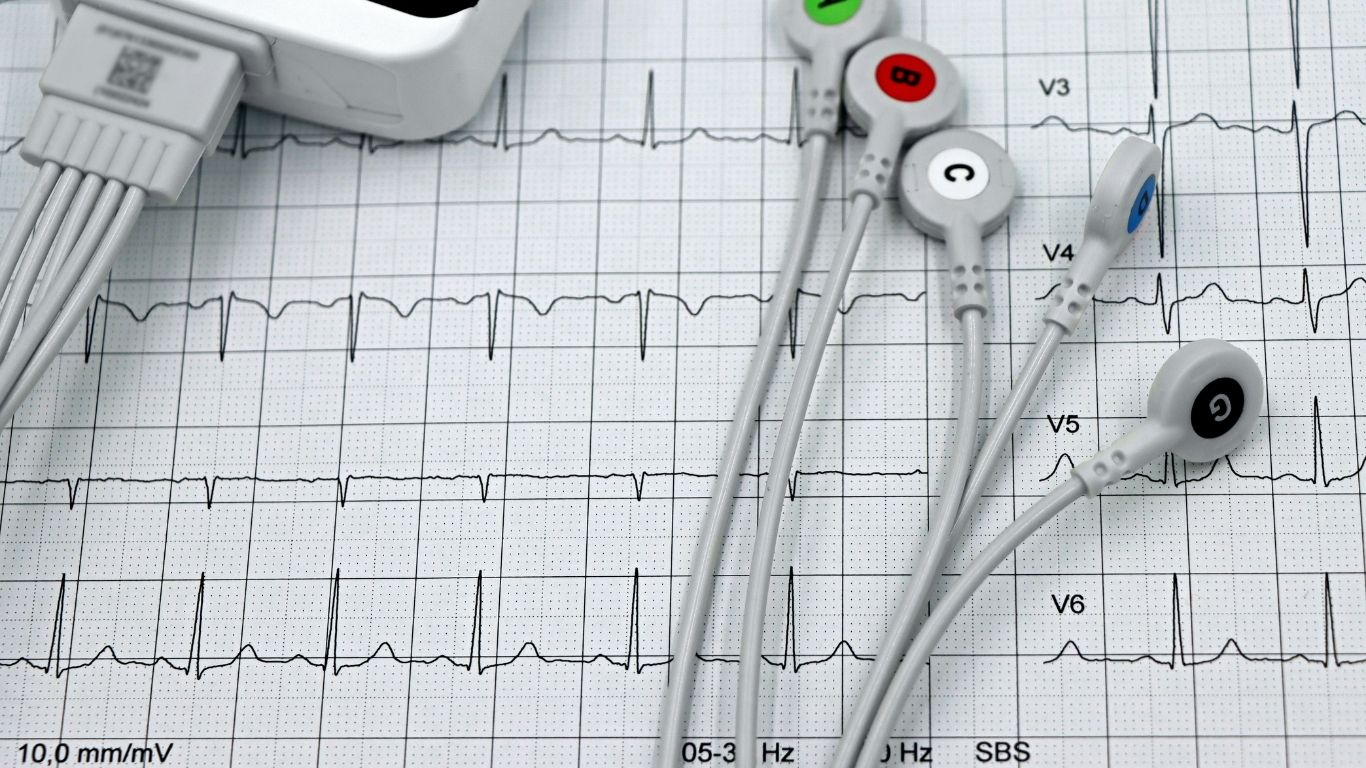
Electrocardiogram (ECG): the most important diagnostic tool for arrhythmia identification.
-
24-hour Holter monitoring: continuous ECG recording to detect intermittent tachycardia.
-
Echocardiography: evaluation of cardiac structure and function.
-
Blood tests: complete blood count, electrolytes, thyroid function tests.
-
Exercise stress testing or electrophysiological studies in selected cases.
7. Treatment
Management depends on the underlying cause, arrhythmia type, and overall patient condition.
7.1. Initial management
-
Rest and deep breathing.
-
Vagal maneuvers (Valsalva maneuver, carotid sinus massage) for certain types of SVT.
7.2. Medications
-
Beta-blockers (e.g., propranolol, metoprolol) to reduce heart rate.
-
Calcium channel blockers (verapamil, diltiazem) for supraventricular tachycardia control.
-
Antiarrhythmic drugs (amiodarone, flecainide, etc.).
-
Anticoagulants for atrial fibrillation to reduce stroke risk.
7.3. Interventional procedures
-
Electrical cardioversion for unstable or drug-refractory tachycardia.
-
Radiofrequency catheter ablation to eliminate abnormal electrical pathways, particularly effective for paroxysmal SVT.
7.4. Treatment of underlying causes
-
Management of hyperthyroidism, anemia, or infections.
-
Control of underlying cardiovascular diseases.
-
Discontinuation of triggering medications or stimulants.
8. Prevention
-
Avoid stimulants such as caffeine, alcohol, tobacco, and energy drinks.
-
Maintain a healthy body weight and exercise regularly.
-
Control chronic conditions such as hypertension, diabetes, and dyslipidemia.
-
Early diagnosis and treatment of heart and thyroid diseases.
-
Regular medical check-ups, especially for high-risk individuals.
Frequently asked questions (FAQ)
1. Is tachycardia always dangerous?
Not necessarily. Tachycardia related to exercise or stress is usually benign. However, tachycardia at rest accompanied by dizziness, syncope, or shortness of breath may be dangerous.
2. What heart rate is considered fast?
A resting heart rate above 100 bpm is considered tachycardia. The clinical significance depends on the underlying cause and context.
3. Is tachycardia related to heart cancer?
No. Tachycardia is an electrical disturbance of the heart and is not directly related to cardiac cancer.
4. Do patients need lifelong medication?
This depends on the cause. Some conditions require temporary treatment, while others (such as atrial fibrillation) may require long-term therapy.
5. When should emergency care be sought?
Immediate medical attention is required if tachycardia is accompanied by chest pain, shortness of breath, syncope, or hypotension.
9. Conclusion
Tachycardia may be a benign physiological response or a warning sign of a serious underlying condition. Early recognition, accurate diagnosis, and appropriate management are essential to prevent complications. Regular health check-ups can help detect abnormalities early and ensure effective cardiovascular care.
To schedule an examination and follow-up for tachycardia at DYM Medical Center Vietnam, please contact:
-
DYM Medical Center Saigon: Room B101-B103, Basement 1, mPlaza Saigon Building, No. 39 Le Duan, Sai Gon Ward, Ho Chi Minh City
-
DYM Medical Center Phu My Hung: Room 3A01, 3A Floor, The Grace Building, 71 Hoang Van Thai Street, Tan My Ward, Ho Chi Minh City
-
DYM Medical Center Hanoi: B1 Basement, Epic Tower, Alley 19 Duy Tan, Cau Giay Ward, Ha Noi
-
Hotline: 1900 29 29 37
Register now to receive the latest offers
Book an appointmentMedical specialties
- Corporate health check-up
- Dental Checkup Package
- Pediatric Examination Package
- Work Permit Examination Package - Work Permit Supplement
- Pre-wedding health check-up
- Obstetrics and Gynecology Package
- Cancer Screening Package
- Health check-up for individuals
- Japan pre-entry Tuberculosis Screening(Jpets)
- Food Handler package
- Medical examination for labor export to Japan
- Medical examination for specific skills to work in Japan (Tokutei)


Contact us
Reach out to DYM for quick support through
our official channels.